


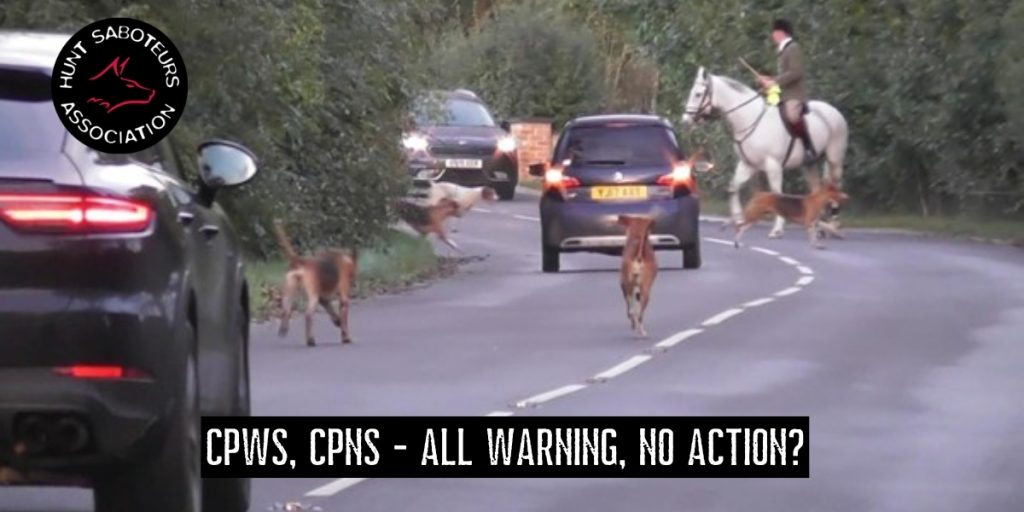
As more hunts receive police warnings and notices, are they a route to meaningful action, or a substitute for it?
Many of you cannot have failed to notice that we are writing more and more about hunts being issued with Community Protection Warnings (CPWs) and, occasionally, the CPW’s big sister, the Community Protection Notice (CPN). The former of course precedes the latter.
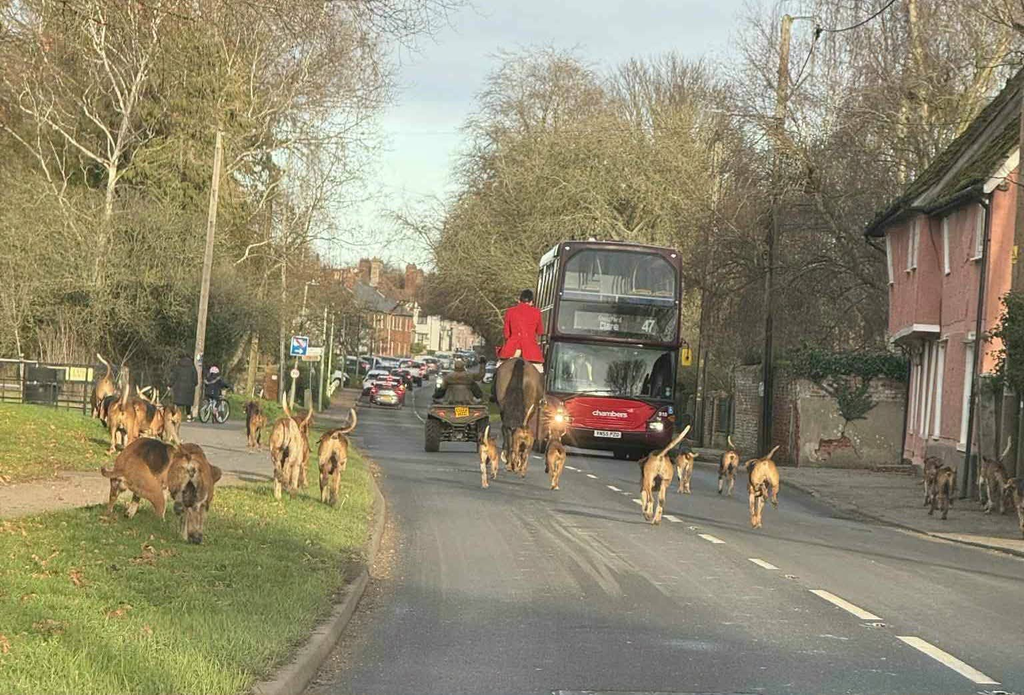
The Community Protection Notice system, including the requirement to issue a warning first, was introduced in 2014 by David Cameron’s Conservative-led coalition government, under then Home Secretary Theresa May as part of the Anti-social Behaviour, Crime & Policing Act 2014.
The irony that these measures are now being used, more and more, to regulate the conduct of fox hunts, an activity that has recently been publicly defended by Cameron, is not lost on us.
A CPW is not a criminal conviction. Ignoring one is not, in itself, a criminal offence, and there is no automatic penalty for failing to comply. If the behaviour continues, the police can escalate matters by issuing a CPN. Unlike a warning, a CPN imposes legally enforceable requirements, and breaching those requirements without reasonable excuse is a criminal offence.
Most recently, Kernow Hunt Sabs revealed that one of their local hunts, the Four Burrow Hunt, has received a Community Protection Warning. One important point is that Devon & Cornwall Police have not issued a press release on the conditions or areas affected, although details have been published elsewhere.
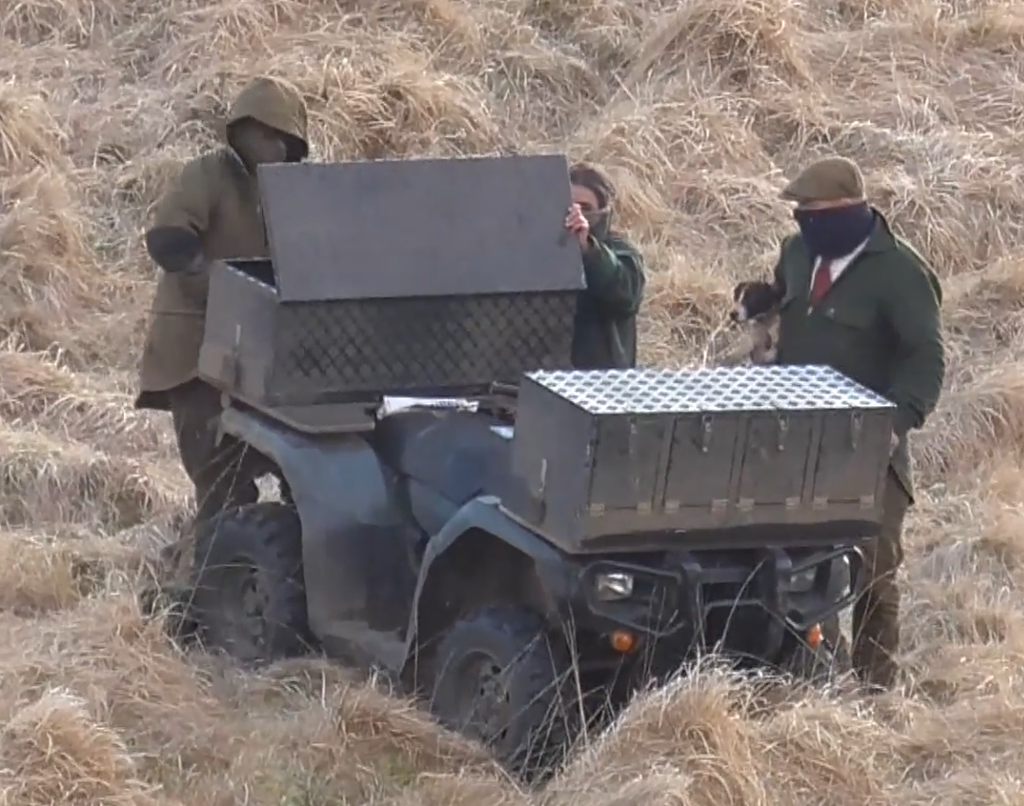
The same police force has been busy issuing these warnings. Plymouth & West Devon Hunt Saboteurs also announced that one has been issued to the Dartmoor Hunt. Although Devon & Cornwall police confirmed its existence in response to a Freedom of Information request, they have not published details of the locations concerned or the conditions the hunt must comply with.
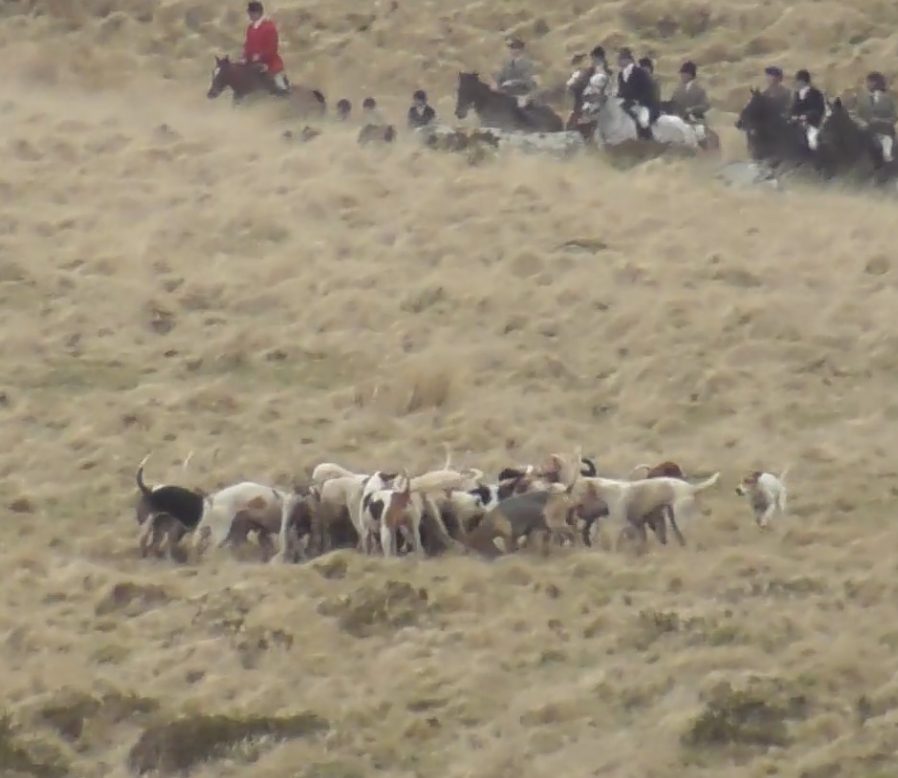
Earlier this year, the force also issued a warning to the North Cornwall Hunt. While its press release did not name the hunt, referring instead to a ‘hunt group within their force area’, it did provide comprehensive details of the locations and conditions covered by the warning.
Yet their wider record on handling hunt-related offences leaves a lot to be desired, particularly in relation to the Eggesford Hunt where previous investigations and prosecutions have raised serious questions. Answers are still needed.
A look at other police forces issuing CPWs and CPNs reveals a myriad of problems.
In March 2024, Staffordshire Police issued the Albrighton and Woodland Hunt with a Community Protection Warning following repeated incidents involving uncontrolled hounds, trespass and the killing of wildlife.
Less than a year later, on 15 February 2025, hounds were photographed loose on the A458 near the Enville Estate, bringing traffic to a standstill.
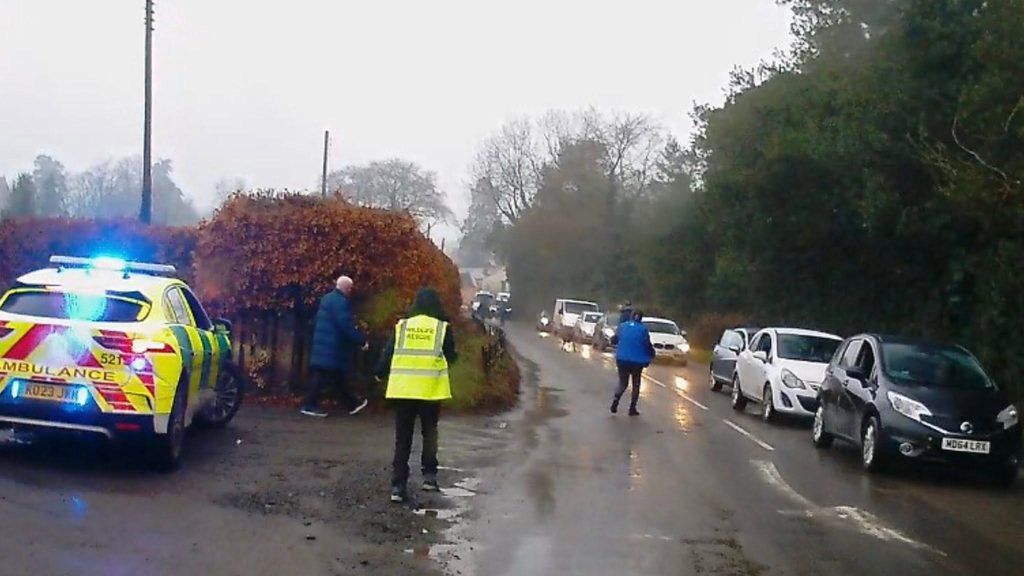
The A458 incident is not the only incident involving the hunt while its CPW remained in place. In June 2026, Albrighton and Woodland Huntsman Paul Larby and whipper-in Phillipa Ward were sentenced following their convictions for assaulting a female member of Shropshire Wildlife Monitors in 2024.
This was not even the first CPW for this hunt. Staffordshire Police had already issued one in February 2019. Five years later, following further incidents involving uncontrolled hounds, trespass, property damage and the killing of a fox and muntjac deer, the police’s response was…to issue another warning!
The current warning is in effect until March 2027.
Despite further documented incidents, including two assault convictions involving hunt staff, and a previous CPW, the hunt still remains subject to a warning rather than an enforceable Community Protection Notice.
The Albrighton and Woodland is far from the only hunt in the region to have attracted police attention. The North Shropshire Hunt, South Shropshire Hunt, Wynnstay Hunt and United Pack have also been reported as receiving Community Protection Warnings or Notices.
In October 2022, Hertfordshire Constabulary issued the Puckeridge Hunt with a Community Protection Warning following repeated complaints of anti-social behaviour.
The Essex with Farmers Union Hunt had also received a CPW from Essex Police in March 2023. The two hunts subsequently merged to form the Puckeridge and Essex Union Hunt.
In July 2023, Hertfordshire Police escalated matters and issued the newly merged hunt with a Community Protection Notice.
Hunt Saboteurs welcomed the CPN, hopeful that it might deter the appalling behaviour and killing of wildlife they had spent years documenting.
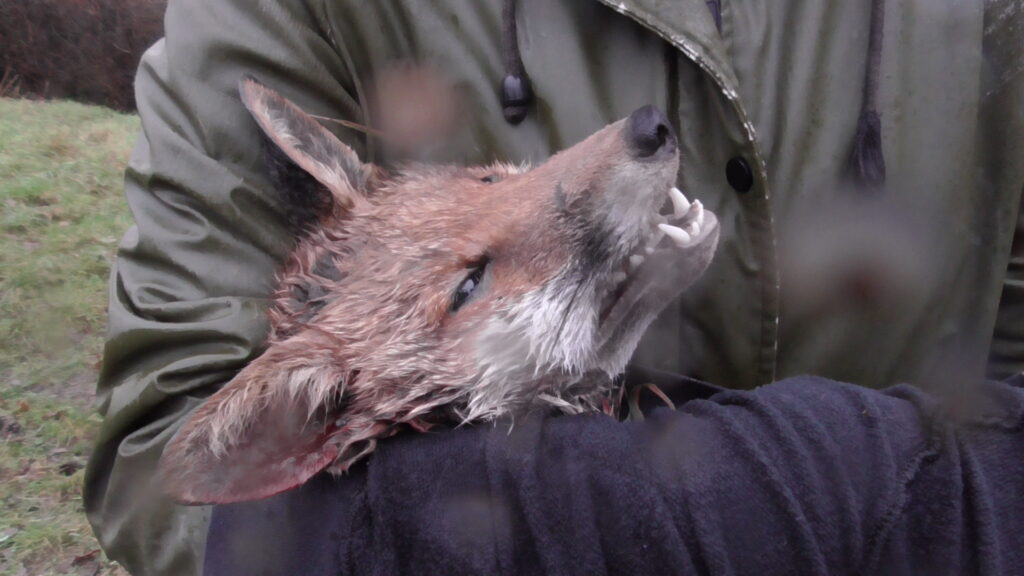
But the hunt appealed. Proceedings began in November 2023 and dragged on until 12 November 2025, when the appeal succeeded and the CPN was quashed. Its requirements had also been suspended during the appeal.
The complaints included allegations of aggression, intimidation, racism and homophobia. According to the account provided to us, the magistrate observed that some of the alleged incidents could constitute criminal offences in their own right.
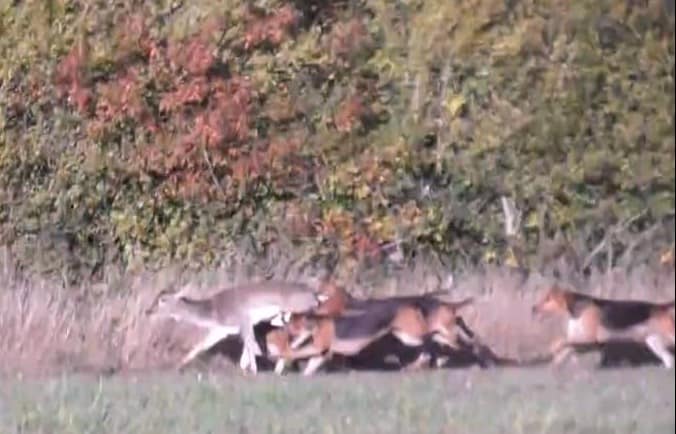
So after years of complaints, two warnings, an enforceable notice and more than two years of legal proceedings, the CPN was gone.
In 2025, The Puckeridge and Essex Union announced a further amalgamation with the East Essex Hunt, with the combined operation now appearing as the Puckeridge and Essex Hunts.
In June 2026 the newly named hunt had received yet another CPW, this time from Essex Police, following evidence concerning suspected illegal hunting, trespass, out-of-control hounds, criminal damage and interference with badger setts.
A separate incident involving the killing of a deer also resulted in a prosecution. Although the defendant was acquitted of illegal hunting, the killing itself was not disputed.
Hertfordshire Police issued the CPN, while Essex Police issued the latest CPW. Are these forces sharing intelligence and considering the hunt’s behaviour as a whole, or dealing with incidents in isolation?
And with no details of the latest CPW made public, how are members of the public, sabs and monitors across these different force areas supposed to know what the hunt has been warned about?
If anyone wants an example of just how meaningless these notices can become, look no further than the Warwickshire Hunt.
Warwickshire Police issued the Warwickshire Hunt with a CPW in May 2022 followed by a CPN in December that year, after repeated complaints about dangerous and antisocial behaviour on public roads. Once again, there were high hopes to curb some of the worst excesses of this particularly brazen bunch of wildlife criminals.
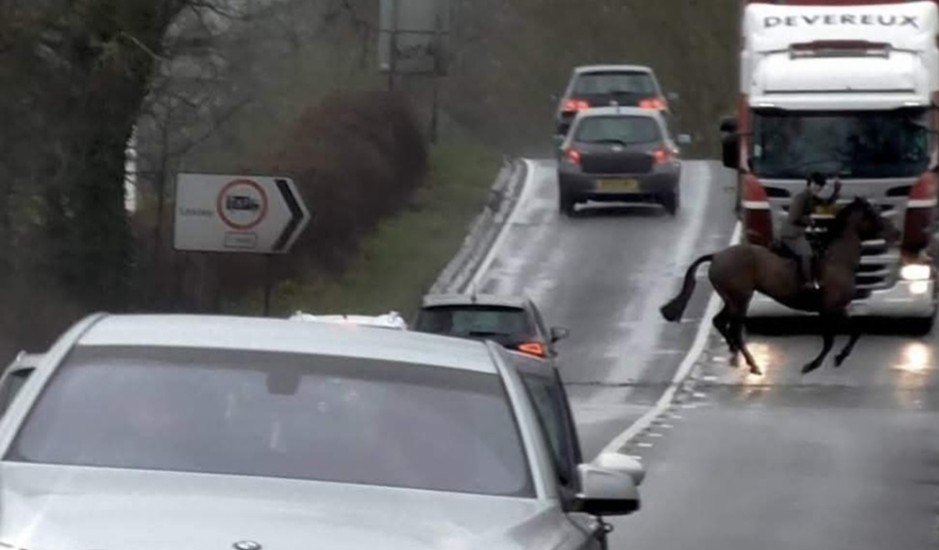
The hunt challenged the notice, and the matter was due to go before a court in August 2023.
But just days before the hearing, Warwickshire Police withdrew the CPN and replaced it with a secret civil agreement with the hunt.
After two years of campaigning by West Midlands Hunt Saboteurs, the document was finally released in January 2025.
Among its provisions, incredibly, Warwickshire Police agreed to give the hunt an hour’s notice before arriving at the meet. Complaints from members of the public could be passed onto the hunt itself. And suspected breaches could first be raised with the hunt, with the option of referring matters to hunting’s so-called governing body the British Hound Sports Association (BHSA).
To add insult to injury a spokesperson for Warwickshire Police told The Telegraph:
“We met with the hunt last week to discuss a protocol they had proposed. The force was satisfied this protocol, if adhered to, would meet the goals of the CPN and that there was therefore no requirement for the CPN.”
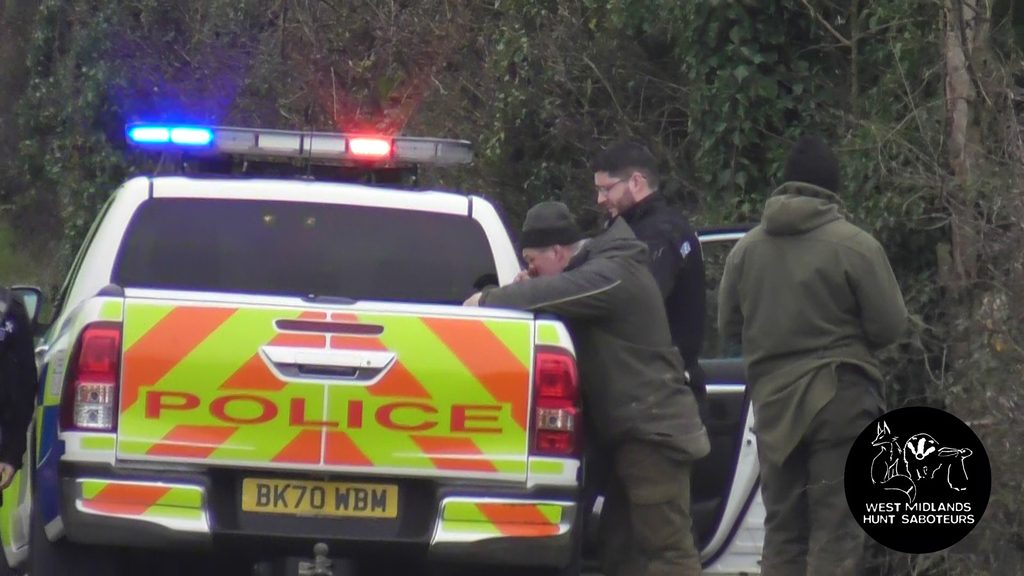
So, in short, a CPN was issued, challenged, withdrawn and replaced with an agreement whose contents the public had to fight to see. And when they finally did, they discovered that rather than facing enforceable action, the hunt had dictated the terms, and had been offered tea and biscuits with a senior officer.
We recently reported that people associated with this hunt had amassed an extraordinary 18 criminal convictions in just three years.
Nine were for assault or actual bodily harm, four for illegal hunting, three for driving offences and two for theft.
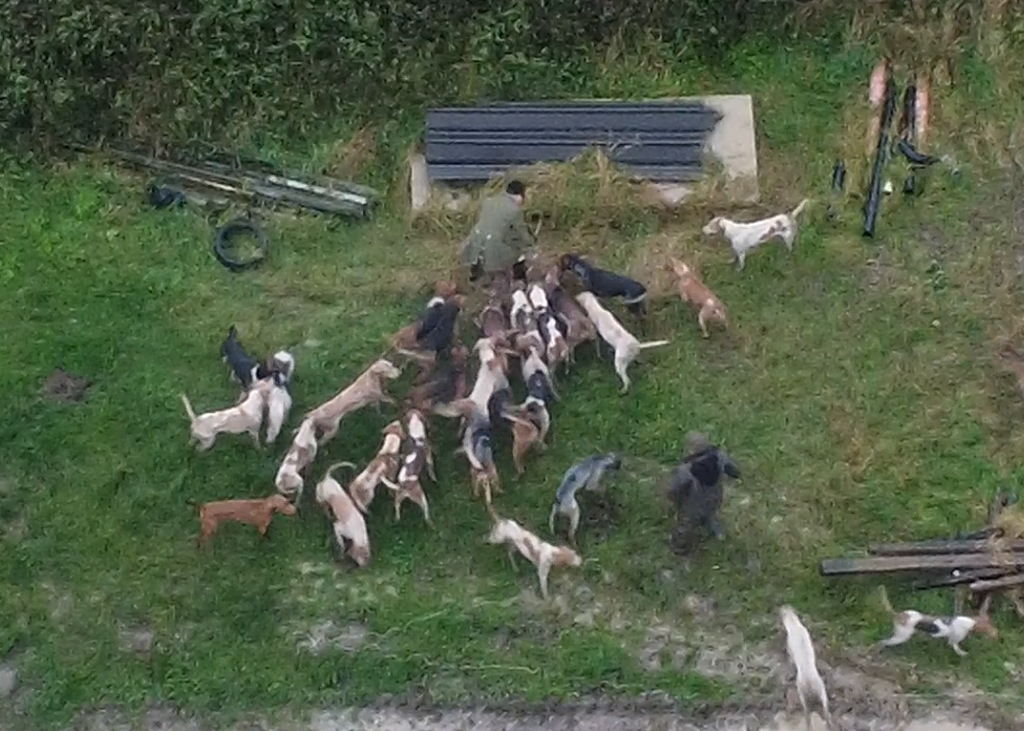
Among those convicted was huntsman George Pierce, who, alongside three other members of the hunt, was found guilty of hunting a fox in April 2025, following the killing of a fox at Pelsham Farm in December 2023.
Four months later, Pierce pleaded guilty to actual bodily harm and assault by beating following attacks on a hunt saboteur.
Then, in July 2026, regular hunt rider Fred Ford was convicted of assault by beating after pinning a female hunt saboteur against a gate while she was attempting to access a public footpath.
These are just some examples.
This hunt had already received a Community Protection Warning by late 2024. At some undisclosed time, this was escalated to a Community Protection Notice.

Broadcaster and environmental campaigner Chris Packham paid a visit to the BSV earlier this year, and broadcast a 5-hour long episode tracking the hunt. Dorset police confirmed to Packham that they are collating ‘multiple breaches’ of a CPN served to the BSV Hunt and requested videos from the broadcast which were duly supplied.
North Dorset Sabs have since reported that the hunt is challenging their CPN.
If 18 criminal convictions involving people associated with a single hunt aren’t enough to demonstrate a persistent problem, what exactly is?
And if the police can’t make an enforceable notice stick, what is the point of issuing one in the first place?
So are these warnings and notices a genuine stop towards tackling the behaviour of hunts, or are they simply sticking plasters applied to a much bigger problem.
Because the fundamental issue is not whether hunts can be persuaded to keep their hounds off roads, avoid trespassing or provide police with maps of supposed trails. It is that fox hunting continues under the guise of trail hunting, and no amount of Community Protection Warnings or Notices can resolve that.
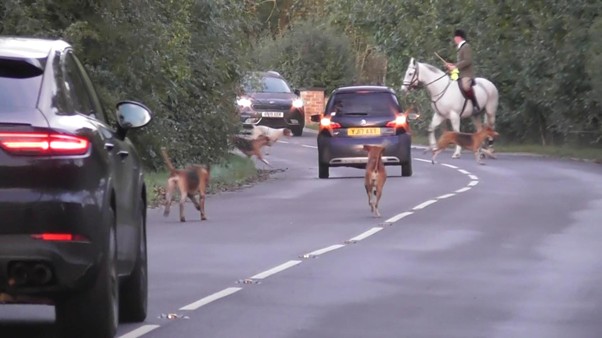
What is useful to see, through the increasing use of CPWs and CPNs, is the extent of persistent complaints about antisocial behavior and suspected wildlife crime involving registered, so-called trail hunts.
The other positive thing about these notices is they do send a strong message to hunts and to the wider public that, at long last, hunt-related crime is being noticed.
And that is welcome. But recognising the problem and doing something effective about it are two very different things.
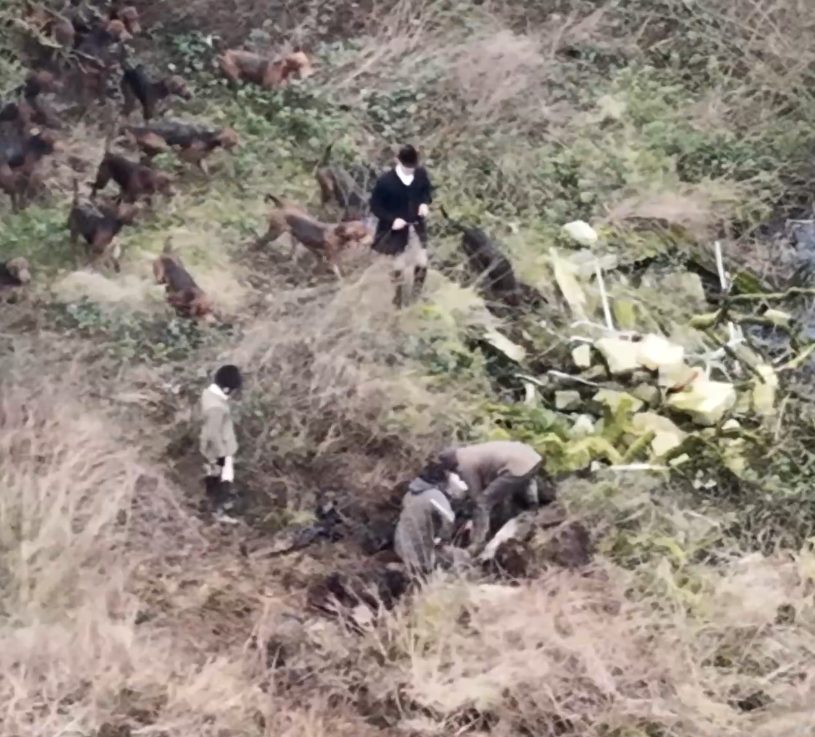
Are police forces going to dedicate officers to following hunts across the countryside, checking that trails have been laid, hounds are under control and the terms of the warnings and notices are being observed? Are they going to suddenly proactively police illegal hunting and associated crime?
We somehow doubt it.
A Hunt Saboteurs Association spokesperson said:
“Who is going to actually enforce these warnings and notices? As these cases demonstrate, the behaviour continues despite the warnings. It will, of course, be sabs and monitors, the same people who have been documenting the behaviour of hunts for decades, that will be in the field gathering evidence of suspected illegal hunting, dangerous behaviour and trespass, and they will now find themselves gathering evidence of whether hunts are complying with police warnings, too. But, for what outcome?
For decades, hunt sabs have documented abuses of police powers, hostility and outright contempt. So the police are relying on the work of people who have spent years being mistreated by those same forces.
Perhaps, before congratulating themselves on issuing yet another warning, police forces might reflect on how they treat the people doing so much of the evidence gathering.”