


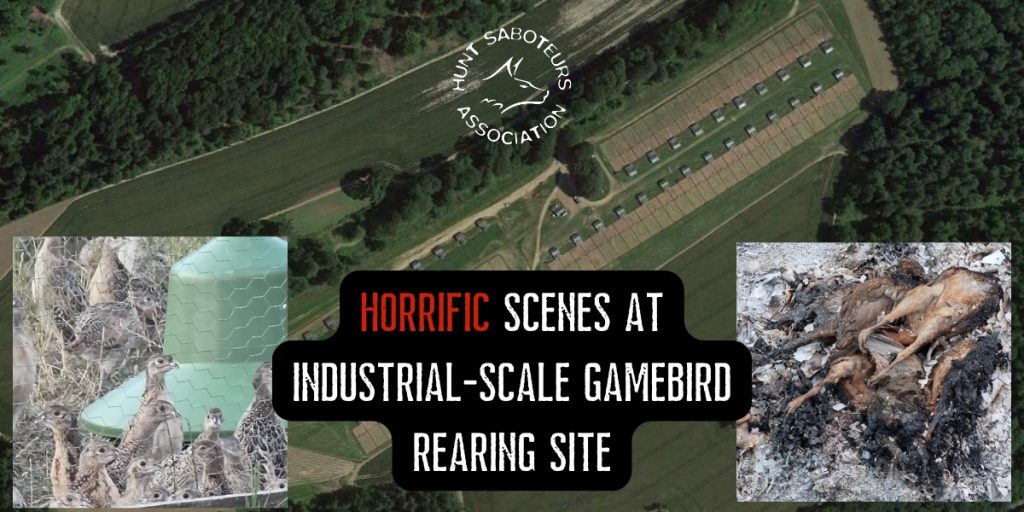
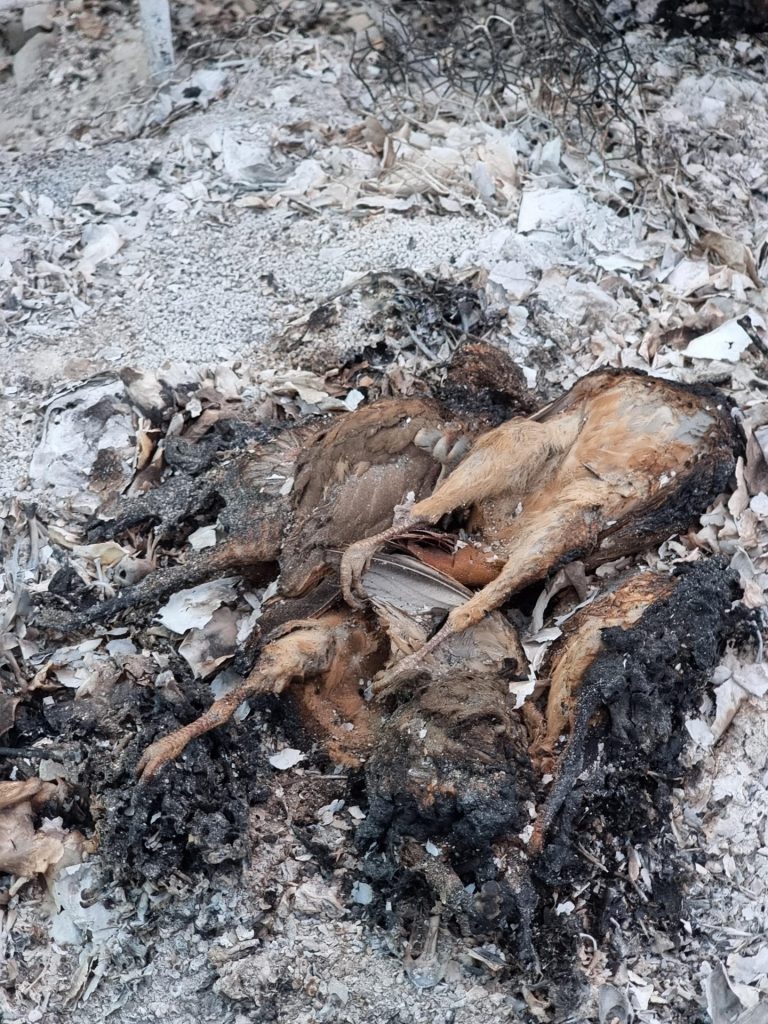
Guest post by Wiltshire Hunt Sabs: In July, after being alerted alerted to illegal practises at a local shoot, they paid a visit to the Stockton Shoot in Wiltshire and what they found was truly horrific – a bonfire full of dead charred birds, set next to the industrial sized operation.
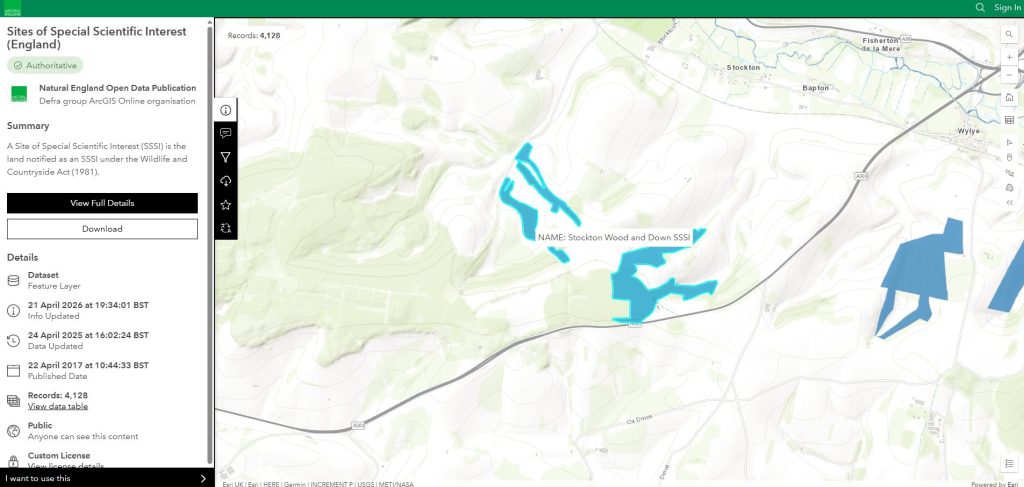
Bordering the shoot is Stockton Wood and Down a 61.5 hectare Site of Special Scientific Interest (SSSI), situated within approximately 500metres of the rearing pens. The site supports a diverse range of flora, including several rare and notable plant species, while its birdlife includes buzzards, green and great spotted woodpeckers, nuthatches, nightingales, lesser whitethroats and grasshopper warblers.
The environmental impacts of intensive pheasant releases are well documented. High densities of released gamebirds can alter woodland ecosystems, damage sensitive ground flora, enrich soils with excessive nutrients and cause long-term degradation around release pens. Guidance recommends rotating pen locations to allow habitats to recover and to provide fresh ground for successive flocks.
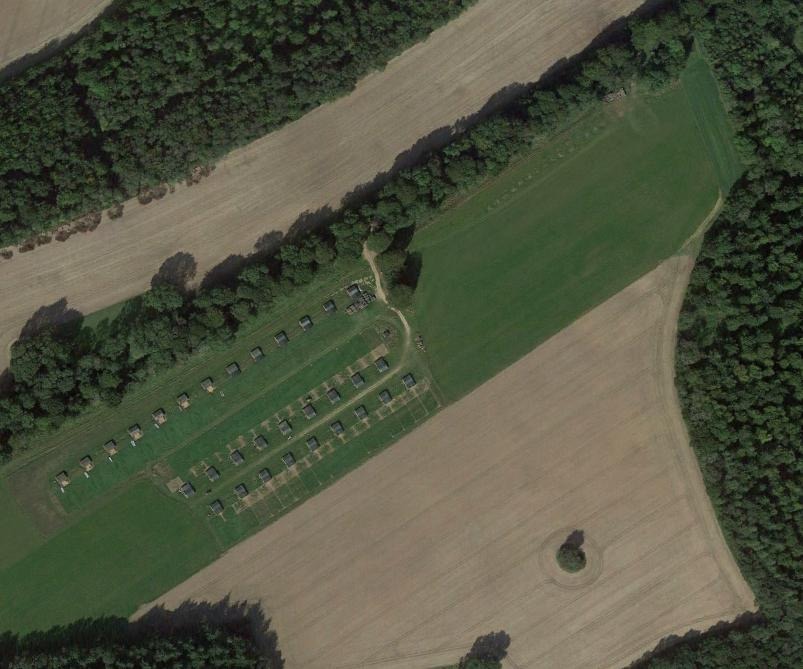
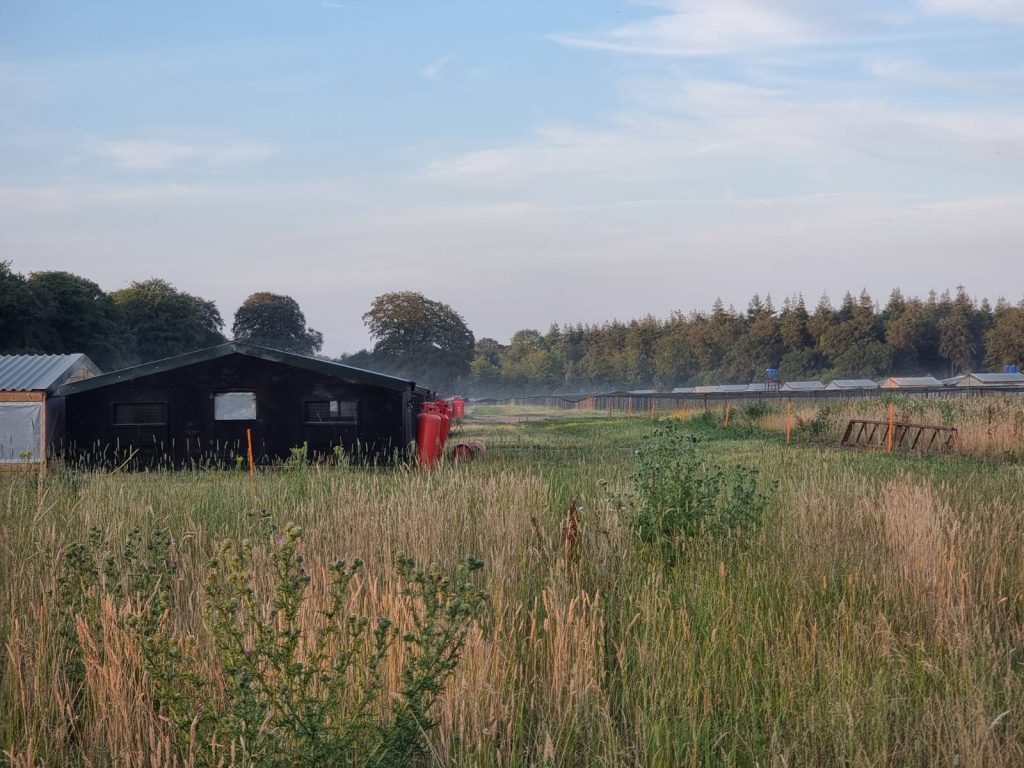
This site has to be seen to be believed. The scale is enormous, with many thousands of pheasants and partridges held within the rearing pens. Historic Google Earth imagery indicates that these pens have been used for many years and have expanded significantly over time, with little evidence that the release areas have been moved to allow environmental recovery.
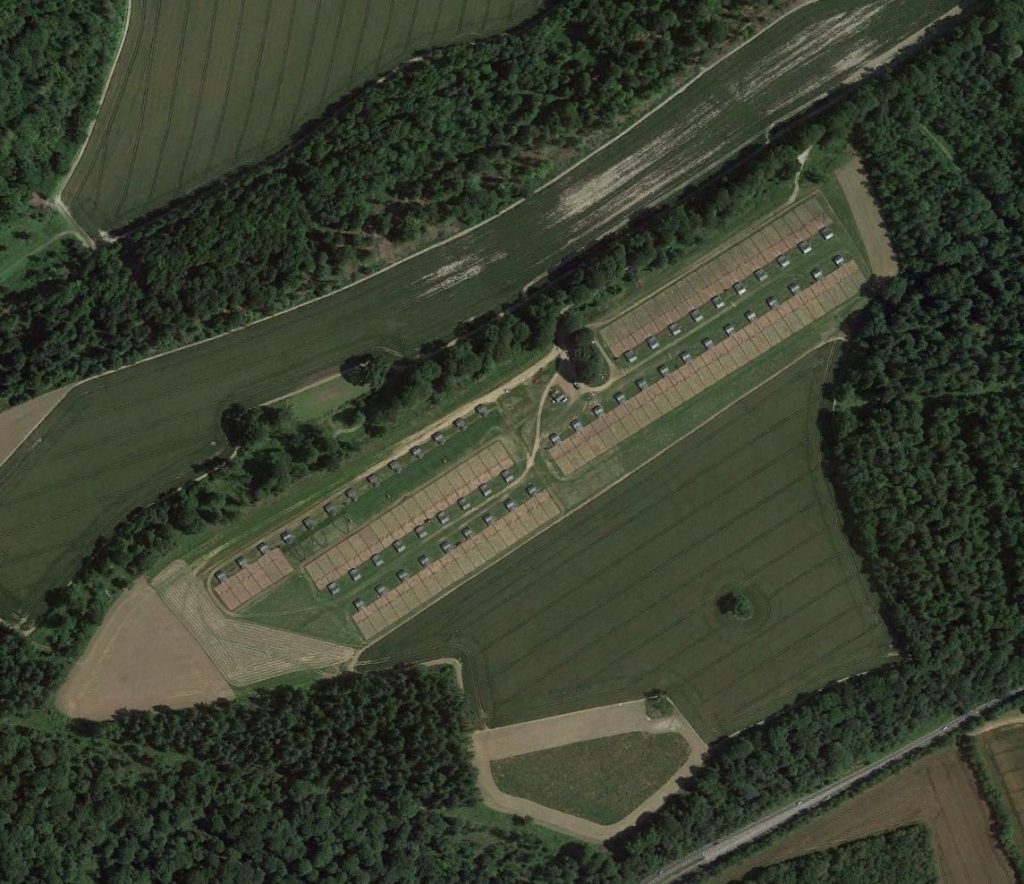
As with any intensive bird-rearing operation, mortality rates are unavoidable. High stocking densities, parasites, disease, stress, feather pecking and predation all contribute to a continual accumulation of dead birds requiring lawful disposal.
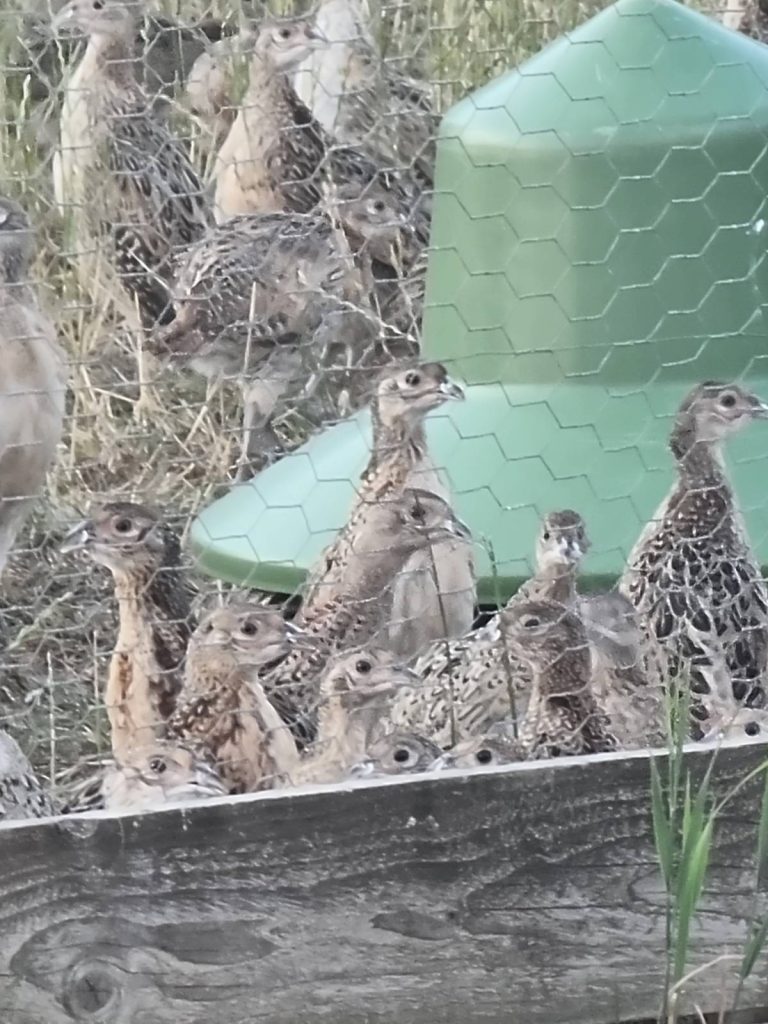
Until they are released, these birds are legally classified as livestock, meaning their disposal is governed by strict animal by-product legislation designed to protect public health and prevent the spread of disease.
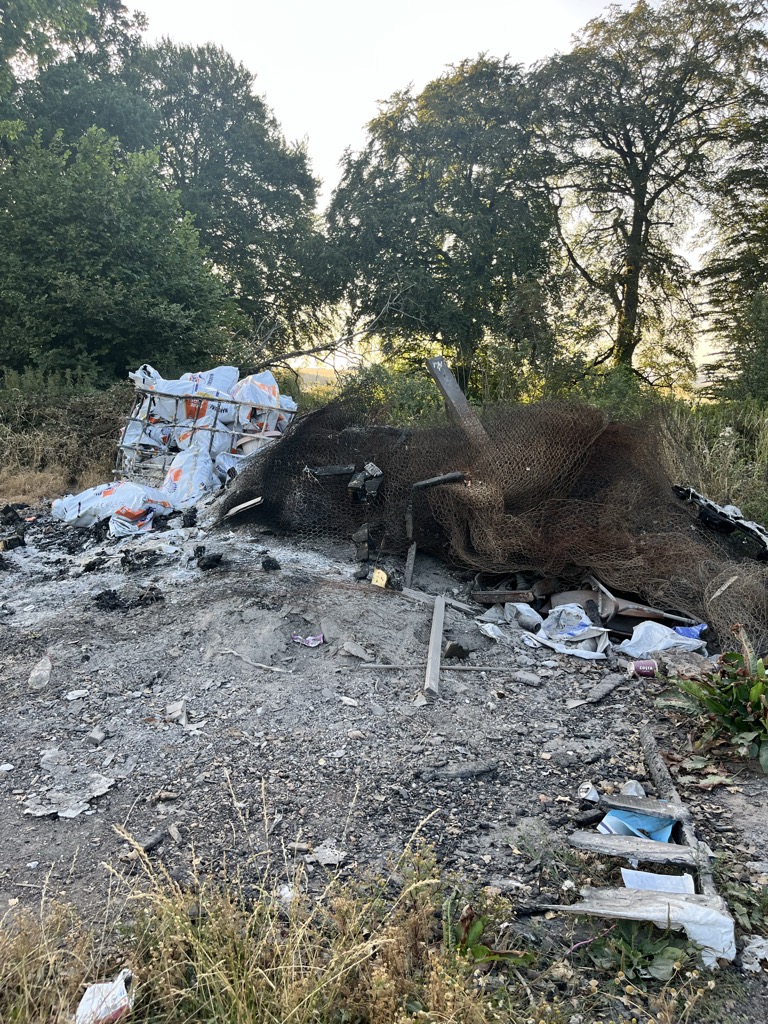
The law is clear. Fallen birds that have died other than by slaughter are classified as Category 2 animal by-products. They must be collected without undue delay, stored securely in sealed, leak-proof containers, and kept away from other animals before collection. Disposal must take place through licensed routes, such as approved rendering plants, incinerators, maggot farms or collection schemes operated through the National Fallen Stock Company.
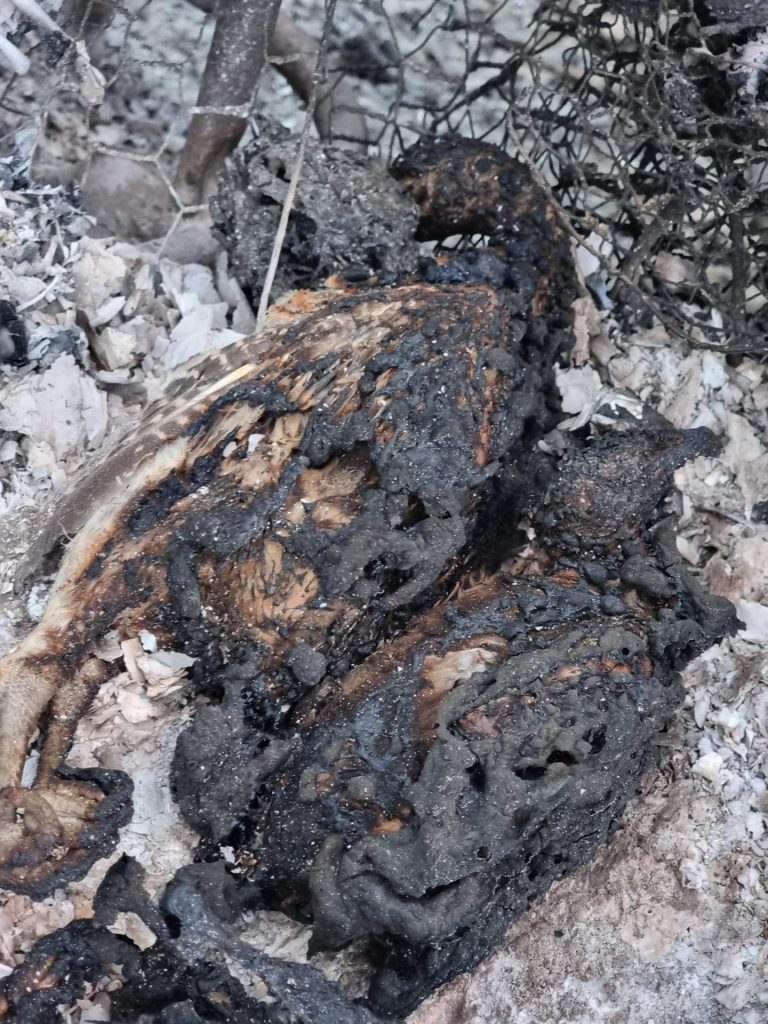
The Direct Burial Or Burning On Farms is forbidden.
All video and imagery has been passed to the local authority ANIMAL HEALTH team within Public Health for investigation and the premises are under investigation.
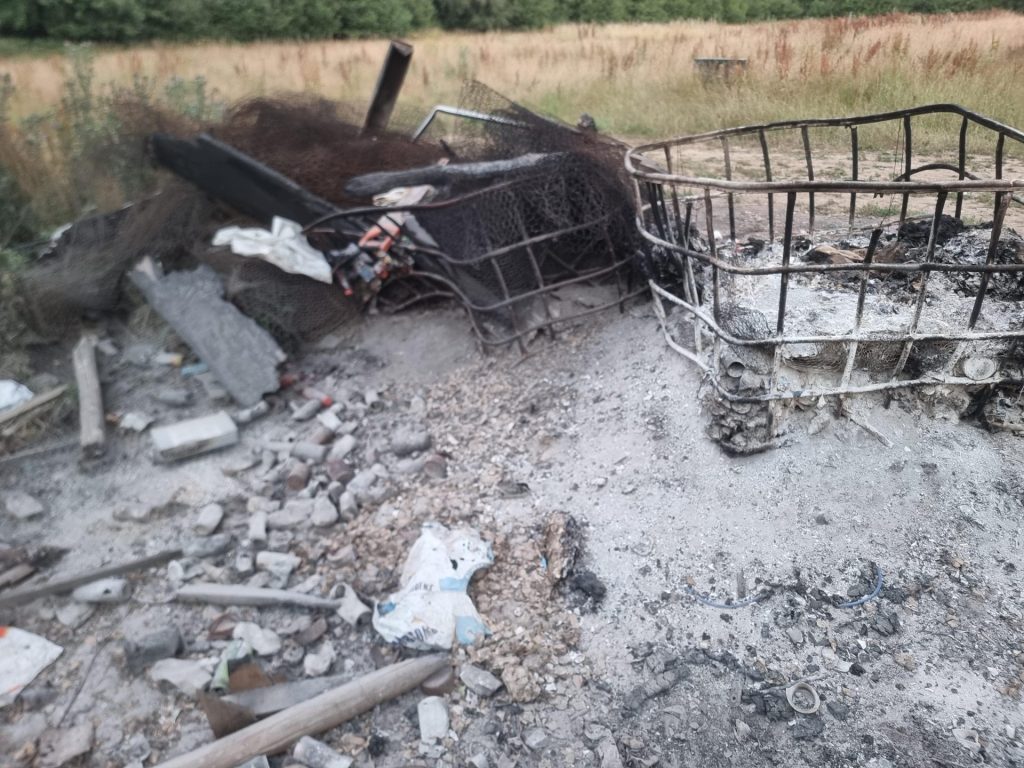
Beyond the legal implications regarding public health, the disregard for basic fire safety was astonishing. Bonfires were observed on dry, sun-scorched grassland, surrounded by equally dry vegetation and in close proximity to numerous gas cylinders, during one of England’s hottest and driest summers. Such conditions present an obvious and serious fire risk, with potentially severe consequences for people, wildlife and the surrounding countryside.
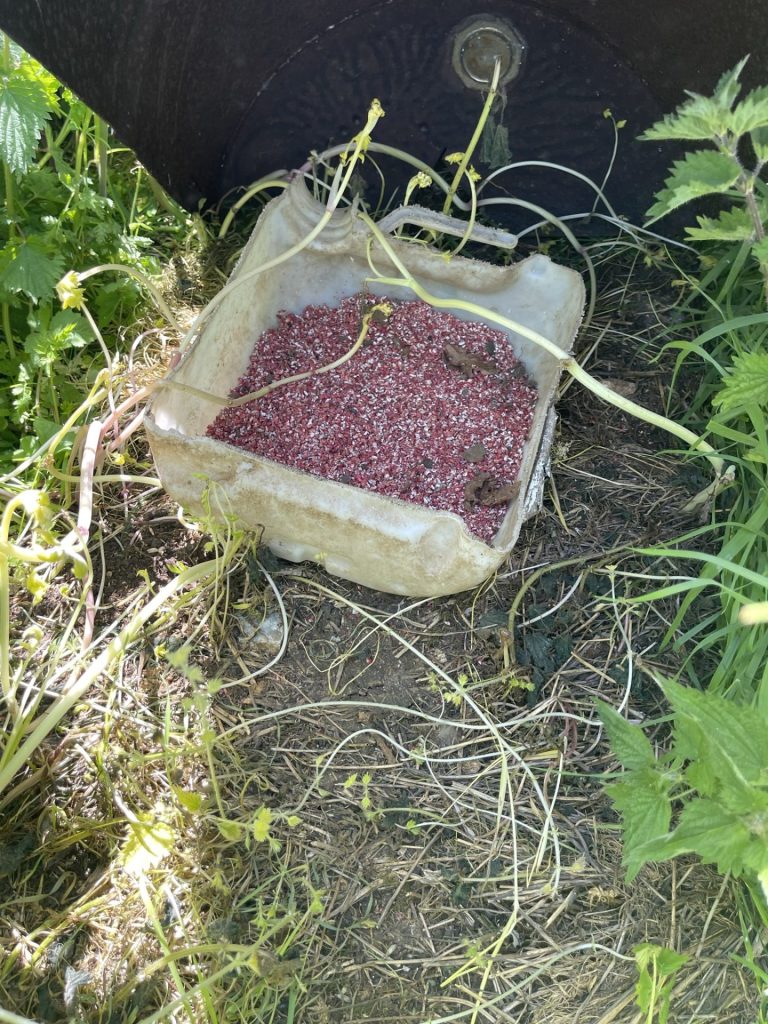
This isn’t even the first time we have had to have this area investigated. Back in 2023 we found the neighbouring Fonthill Estate putting anti-coagulant rat poisons in the open countryside. This prompted a compliance visit from Natural England at the time. Dozens of poison containers dotted around in amongst the flora and fauna of the open countryside. It was reported a few days ago that rat poison was found in at least five dead sea eagles in nearby Dorset.
This is not an obscure, poorly managed shoot operating in some backwater. Given its prestige, resources and influence, the standards expected should be among the very highest in the country. Which begs the question, if this is one of the best, what must the backwaters shoots be like?
What we have documented raises serious questions about so-called environmental stewardship, biosecurity, animal welfare and regulatory compliance.
As with hunting, shoots see themselves above the law, and beyond its reach. We hope Wiltshire Council’s Animal Health team carries out a thorough investigation and that enforcement action should be taken without fear or favour, regardless of the shoot’s status or influence.
We will be watching.
Please support the work of Wiltshire Hunt sabs here