


A family of badgers snuffle the ground, rooting out grubs for their supper. Alerted by a strange scent, they turn around to see silhouetted against the moonlit sky two human figures standing there. One is carrying a gun. They don’t understand what this means but know there is danger close by.
Before they can move, another group of humans appear carrying torches. They move towards the armed men and they drive away.
The badgers are safe. Badger cull sabs have chased the shooters away and they will survive another night.
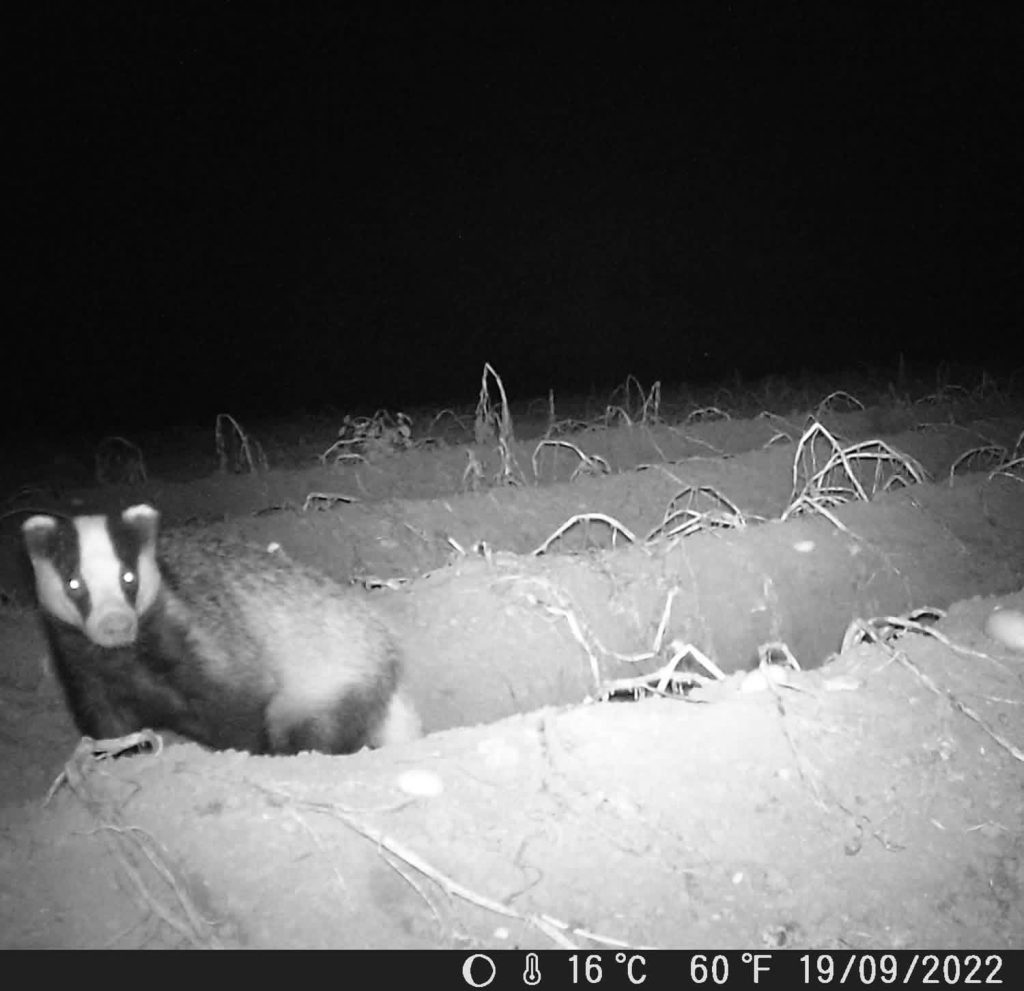
This much persecuted native animal has been made a scapegoat for the flawed biosecurity of the dairy industry and is being blamed for Bovine Tuberculosis (bTB) in cattle. In 2013 the government at the time, the Conservative & Lib Dem coalition, introduced what it called pilot culls in Somerset and Gloucestershire.
Bowing to pressure from Defra and influenced by the ‘Krebs trials’ from the 1990s and 2000s, these culls were to allow shooters to kill badgers by free shooting at night and cage trapping followed by shooting.
In 2012 Lord Krebs, who chaired the review team behind the randomised badger culling trials, was interviewed and stated that “The scientific case is as clear as it can be: this cull is not the answer to TB in cattle.” Yet in 2013 the cull’s aim was to kill 70% of badgers in each cull zone.
Huge public protest and resistance followed.
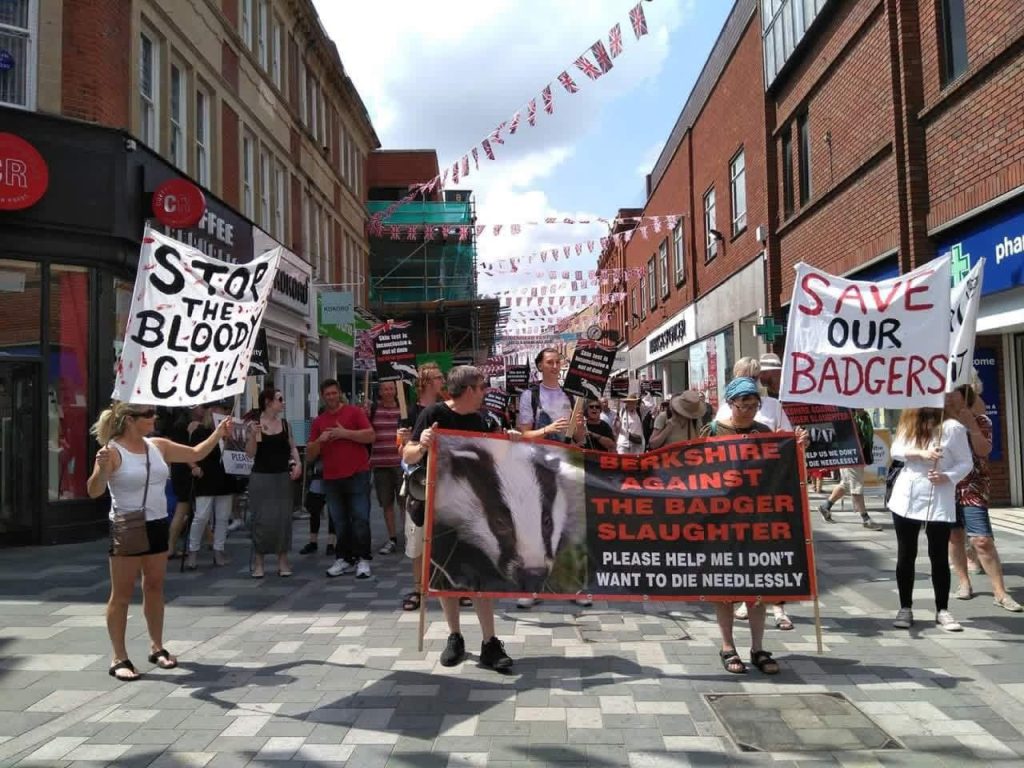
Rightly outraged by this proposed massacre, activists and ordinary members of the public alike organised protests and arranged nightly patrols. The resistance was so fierce that in 2013, the cost of policing alone in the two pilot areas was £2.6m.
Despite the exhaustive efforts of campaigners who were out patrolling and guarding badger setts night after night, over a period of six weeks, during this first year 1,879 badgers were killed in Gloucestershire and Somerset, the total cost per badger at around £5,000.
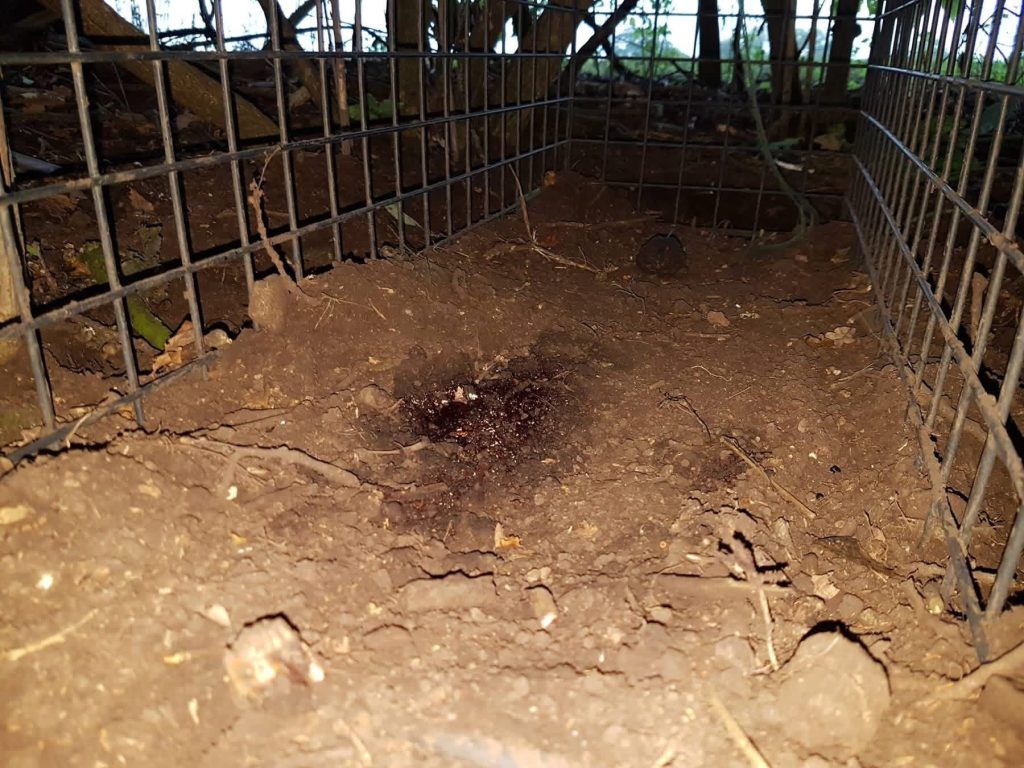
Many prominent celebrities spoke out against the cull, including Sir Brian May, as well as expert veterinarians and scientists. There were concerns that the killing was not humane, with badgers shot but not killed outright, suffering lingering deaths, or left in unchecked cage traps during the heat of the day.
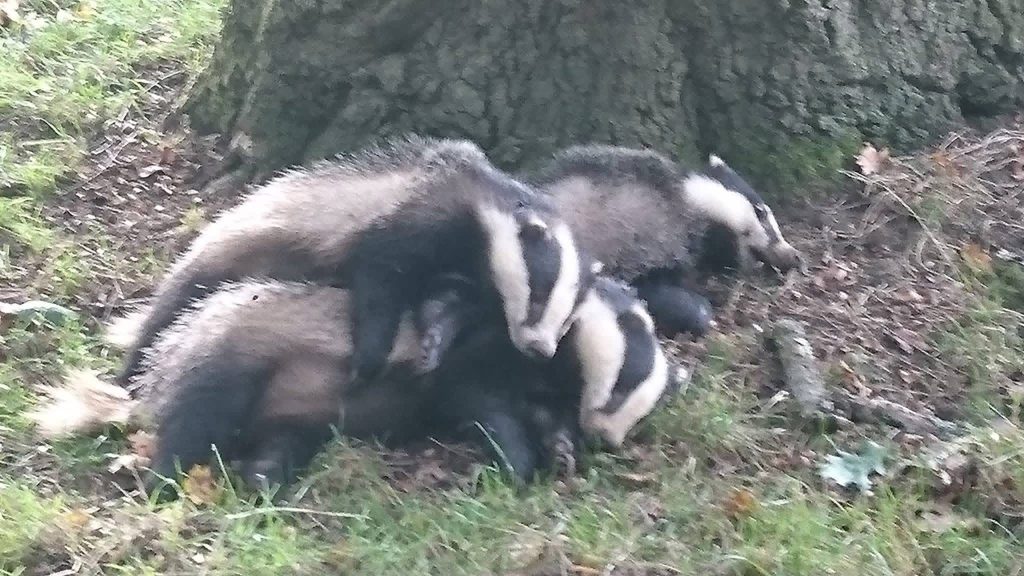
As well as being senseless, the culls were also ineffective. Thousands of badgers were being killed while bTB in cattle remained high. Instead of this being the end of the badger cull, it was instead rolled out to further areas. As the cull zones grew larger and covered more and more of the country, activists worked even harder to cover these wider areas and protect as many badgers as possible. Meanwhile the culls were costing the public a fortune; by 2018 the cost of the badger cull had exceeded £50 million.
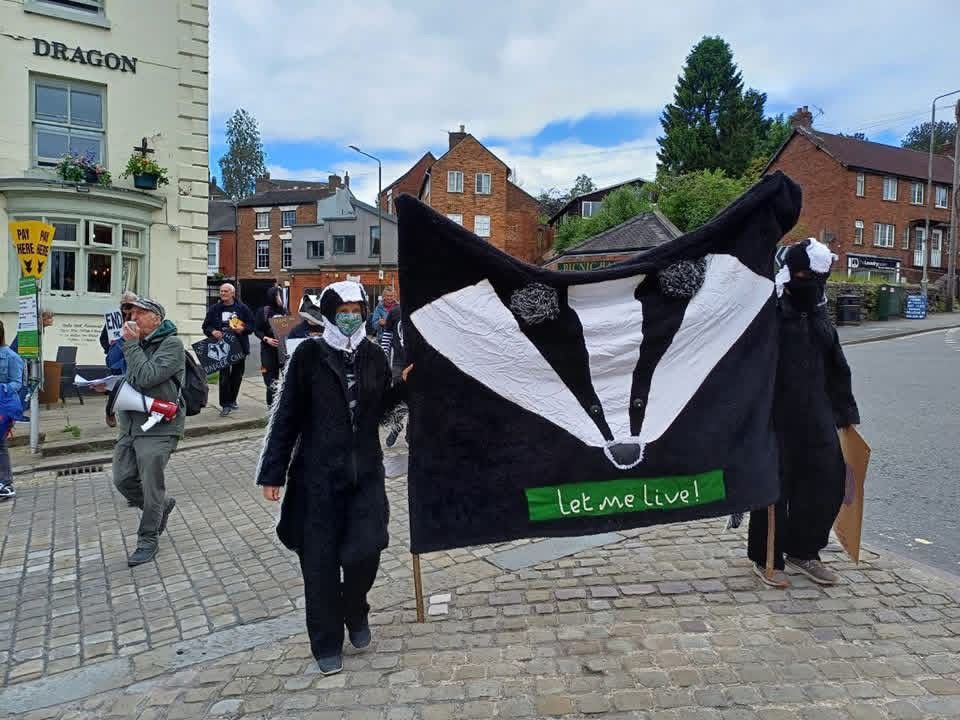
In 2024, Sir Brian May released a BBC documentary called ‘Brian May: The Badgers, The Farmers and Me’ which challenged the scientific basis of England’s badger cull policy. The film showed how it was cattle-to-cattle transmission, rather than via badgers, that was the main source of bTB.
With public opinion firmly against the badger cull, in 2024 the Labour Party stated they would phase out the cull and instead introduce vaccination.
At the beginning of May we received the news that no new badger cull licences had been issued in Cumbria – the last cull zone remaining in England. While we remain optimistic that the badger culls are over in England, we will be ready should they ever start again.
We are also closely watching events in Wales with Plaid Cymru now leading the Welsh government and claiming they will use a “science-led” approach, rather than the previous government’s cattle-focused approach, to bTB and “potentially opening the door to the use of badger culling as a management technique.”
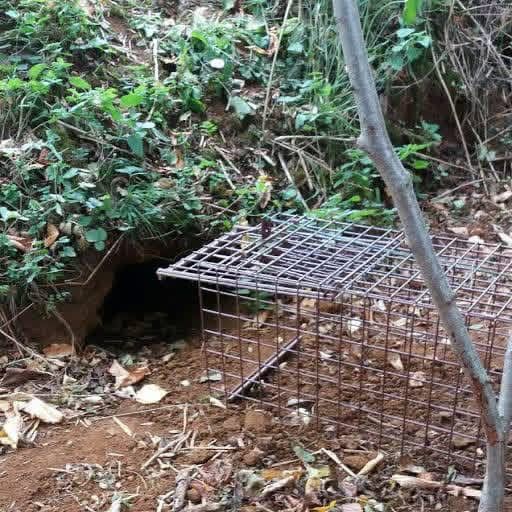
Since 2013, the badger cull in England has resulted in the killing of roughly a quarter of a million badgers. This means that roughly half the estimated badger population has been needlessly killed.
When we look back at the long years of fighting the badger cull in England, we remember first and foremost the innocent lives lost. These shy creatures just wanted to live. They did not deserve to die. We also remember the huge numbers of ordinary people who achieved extraordinary things, who came together as strangers united by the determination to fight for badgers and who saved countless lives in the process.
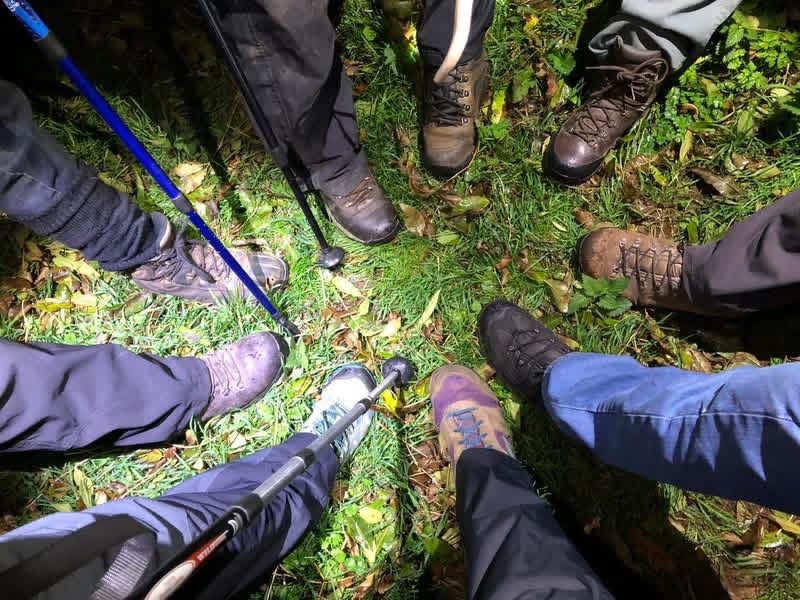
As the cull areas grew, so did the numbers of people taking a stand against them and from these activists many hunt sab groups were formed – with people learning the essential sab skills of endurance, camaraderie and resistance.