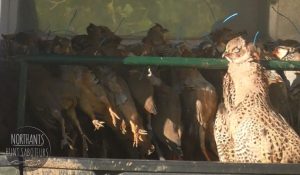



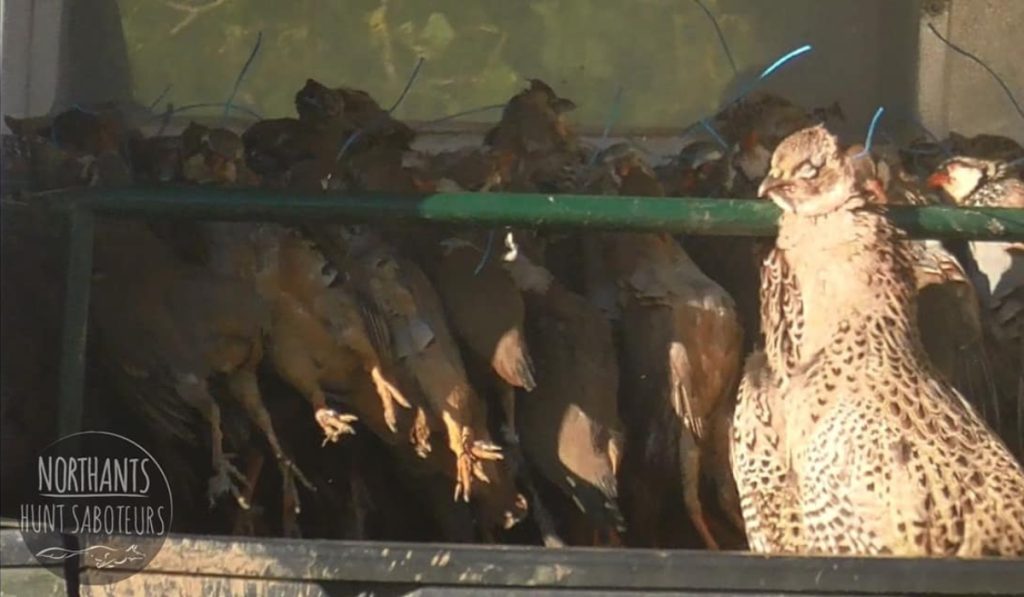
1st February signals the end of the gamebird season across the UK meaning this year that the shotguns fall silent on Saturday 31st January until late summer when the carnage will commence all over again.
No sooner have the feathers of the slain fallen to the ground then the shooting calendar demands rigorous adherence to the practices needed to produce the next vast number of victims for the trigger-happy tweed clad twats that await them again later in the year.
So what happens next?
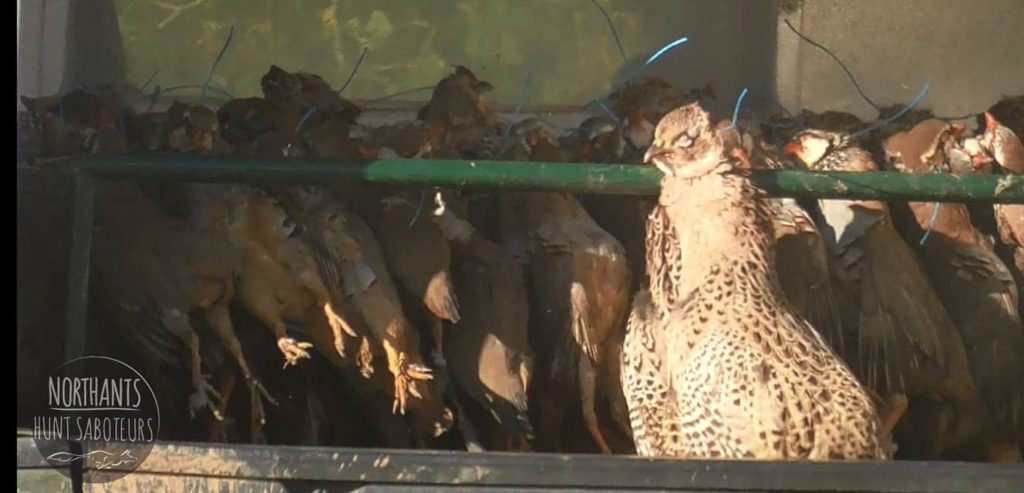
The core of the UK’s shooting activity targets pheasants and partridges. We have recently featured the staggering number of birds bred or imported to be shot in 2025 and the intensive factory farming required to rear them so there is no need to revisit but suffice to say that to hold, feed and marshall this volume of birds requires significant infrastructure, and constant suppression of any threats to them, out on the shooting estates. Ducks and wildfowl also require similar now that they are increasingly shot by exactly the same method of being driven out of prepared locations to be blasted from the skies – albeit with additional need of substantial bodies of water to be provided. This is a relatively recent change and something for a future article to investigate. Grouse reared on upland moors are managed in a completely different manner and we’ll look into the particularly damaging activities these estates undertake separately too.
From February onwards, gamekeepers will be looking to repair and renovate this infrastructure. There are literally thousands of holding pens dotted throughout our countryside and every one has the associated water tanks, feeding drums, electric fences and gates that they will require. In our experience, shooting estates with enough space to do so, rotate the use of particular pens annually thus there is always a rolling programme of work to prepare for the upcoming season. For the smaller landowners who offer their farmland to syndicate shoots, they often don’t have this luxury, meaning their pens become even more squalid and ramshackle due to the heavy and repeated use.
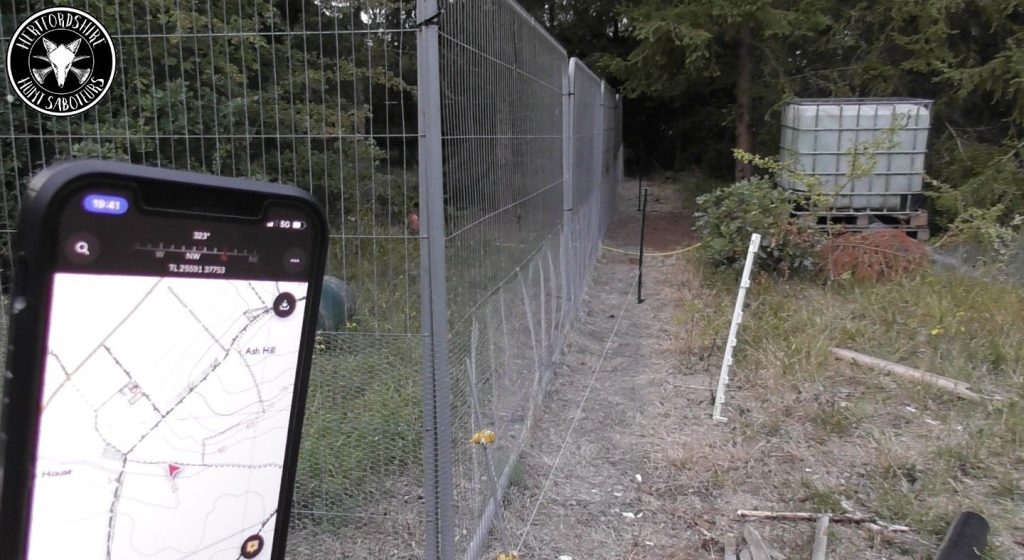
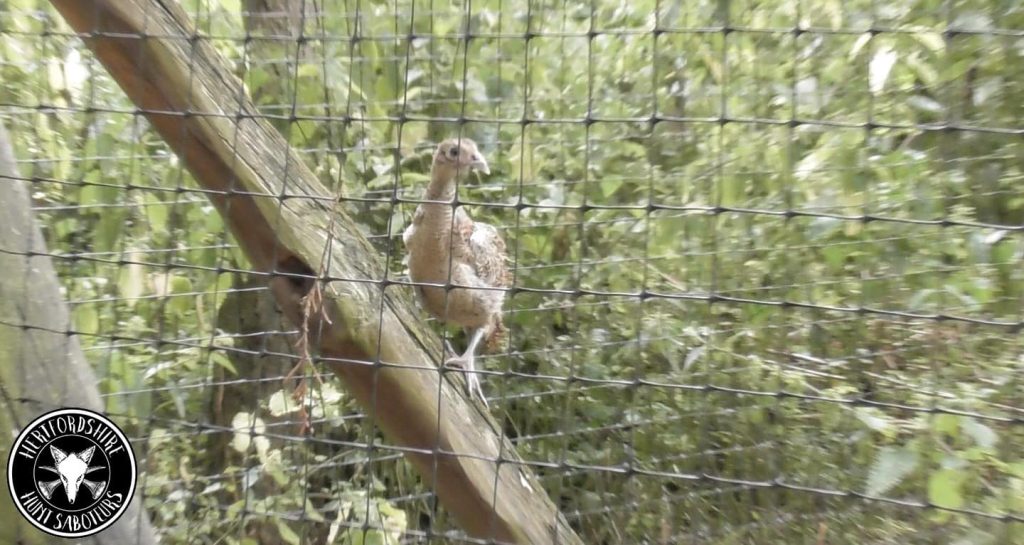
All of a shoots’ pheasant pens need to be in place and ready to accept young birds known as ‘poults’ from early June at the very latest but in reality, gamekeepers will already be heavily engaged in persecution of predator populations at this point. Effectively there is a window of February to April for this construction work. Any damage to these installations after this point, say to bad weather, for example, becomes much more disruptive to the estates preparations for the season ahead.
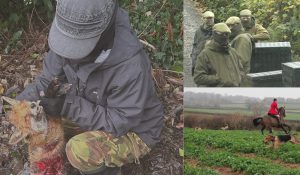
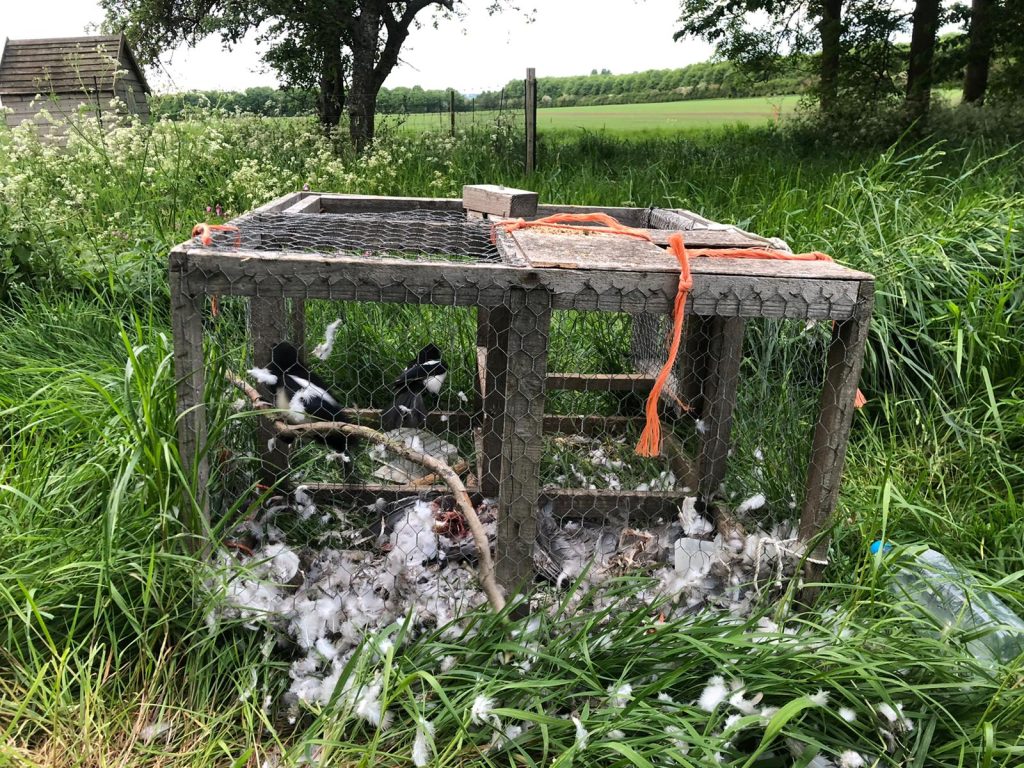
Once the location of the new season pens is known, the psychopathic gamekeepers will get to work on waging their murderous campaign to eradicate likely predators in each area. Spring will start to see Larsen traps appear and to be set with live or dead lures and the killing of corvid populations will commence. It wouldn’t be uncommon to also see new shooting towers or chairs being installed and the establishment of the abhorrent stink pits in the new locations to habituate other predators to visit regularly – in readiness for upping the slaughter stakes later in the year.
As the spring moves into early summer and the arrival of poults in their thousands moves closer, the killing ratchets up around the holding pens. Stink-pits ringed with snares or shooters atop towers armed with hunting rifles and night vision become self perpetuating killing grounds. As the birds mature and the shooting gets ever closer, they are released from the holding pens and persecution of the surrounding wildlife reaches a crescendo. As plentiful feed and water is supplied they will not venture far from the cover crops planted specifically for the purpose and even here, it is not uncommon to find all manner of other traps now set to remove any other competitors for the grain feed such as mice, rats, squirrels and wild birds.
By the time the new season opens through August and September, some areas will be virtually devoid of any predators at all with the population of foxes, birds of prey, corvids and even badgers (as evidenced by the recent expose of the Shocklach Hall estate stinkpits) decimated and within six months, it will all start again. It is not hard to see why the shooting industry is not only a sickening exploitation of the poor gamebirds driven before the guns but disastrous for the biodiversity of our countryside generally.
The blood cults of shooting and hunting have been uncomfortable bedfellows for a very long time. With the explosion of the gamebird shoots over recent decades offering huge money making opportunities for landowners and elite – old and new – then the foxhound and beagle packs are increasingly finding their traditional hunting grounds being stripped from them to allow shoots an uninterrupted season. Now that the 2025/26 shooting season is at an end we may see some hunts able to add some additional meets in previously unvisited locations for the remainder of the hunting season but even this seems to be tailing off. Not surprising when considering the sheer volume of birds now involved, requiring more and more land plus the amount of activity throughout the year to operate a highly profitable shooting estate.
Given the above, you could be forgiven for thinking that there may be some growing animosity between hunters and shooters but many of the blood junkies concerned get their sick kicks from both pursuits whether that be aristocratic landowners or estate gamekeepers doubling up as terrier men on hunt days.
The HSA’s Shooting Officer added:
“The protestations of the bloodsport goons that the abuses they wreak on our wildlife is good for conservation will continue to bounce around their pathetic echo chamber but they are not fooling the wider world who are waking up to the horror of what they do and the long term consequences of it. The venn diagram of animal abuse, environmental disaster and the interests of the powerful, whether they be privileged aristocrat or a nouveau riche rabid capitalist, has well and truly been drawn. We think they’ve had it too easy, for too long and there are plenty that agree with us and we look forward to re-drawing that diagram over the coming years.”