


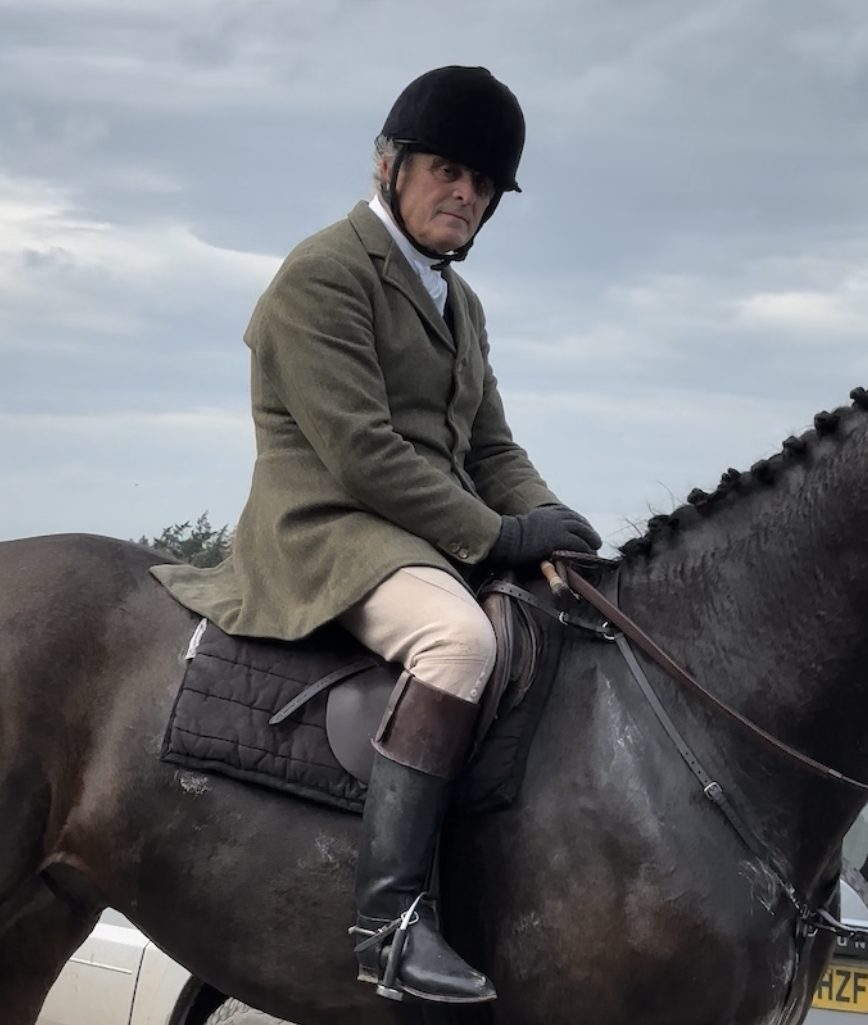
Recently, we highlighted a The Times article which exposed a plot by the current chair of the British Hound Sports Association (BHSA), Viscount William Waldorf Astor III, to “hoodwink” – or, to put it more plainly, deceive – government ministers over the forthcoming trail hunting policy.
According to the uncovered plot, the proposal was to persuade ministers that hunts would voluntarily replace animal-based scents with artificial alternatives. In practice, this would amount to adopting one of the defining characteristics of drag hunting and, effectively, transitioning to that discipline. The logic behind the proposal appears to be that, rather than implementing its manifesto commitment to end the “trail hunting” smokescreen, the Labour Government could present this compromise as a way of winning favour with rural voters, or ‘save face’ to use their own term.
The proposal, however, relies upon two enormous false premises:
Both propositions are, of course, utterly ludicrous.
To examine the first false premise, that rural voters are overwhelmingly supportive of hunting involves constructing a strawman of the rural electorate. The key points from a 2025 YouGov poll confirm
In other words, the results for rural voters mirror those for the wider British public, making a mockery of the distinction on which Astor’s argument depends. The majority – including those living in rural communities – want trail hunting banned, and do not regard hunting as economically important to the countryside.
So, if only 29% of rural voters believe that “trail hunting” should remain legal, would that minority suddenly be persuaded to vote Labour if the Government accepted a voluntary switch to an artificial scent instead of legislating for an outright ban? Don’t be daft. Let’s look at the second false premise.
Hunting has never been, and is never likely to become, a decisive voting issue for most rural electors. Those for whom it is a priority are overwhelmingly drawn from a demographic that has historically supported the Conservatives and, more recently, Reform UK. Their political loyalties are shaped by a much broader range of issues; including taxation (primarily avoiding paying it), farming policy, and property rights, issues that have long been championed by the Conservative Party and its traditional landed interests, and not by a single policy on hunting.
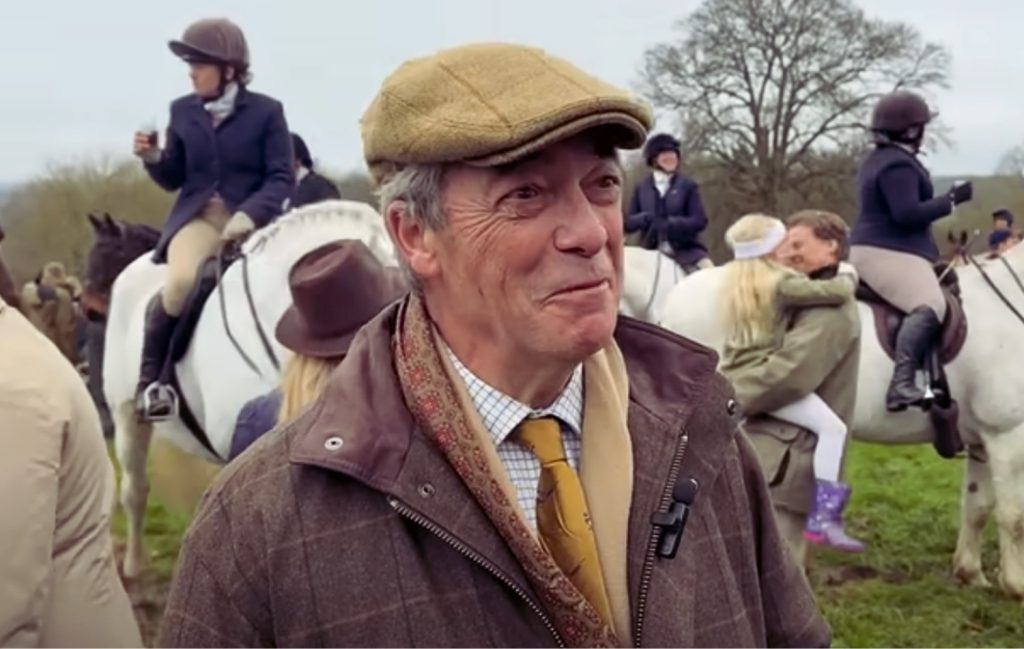
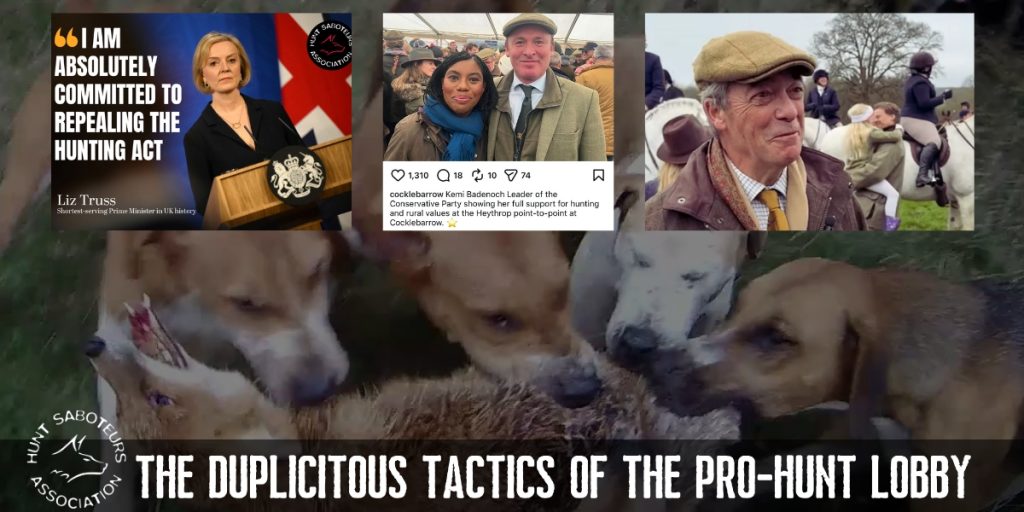
Even if hunting were the sole issue on which these voters cast their ballots, Labour would still be the least attractive option for supporters of fox hunting. Nigel Farage, company director of Reform UK Party Limited has stated his opposition to a further ban on hunting, even indicating Reform, under his leadership, would attempt a repeal of the original Act, while Kemi Badenoch, leader of the Conservatives have already said they would seek to repeal any legislation specifically banning so-called “trail hunting.” Against that backdrop, the notion that a voluntary scent-switch compromise would persuade hunters and their supporters to abandon decades of political allegiance and vote Labour is simply absurd.
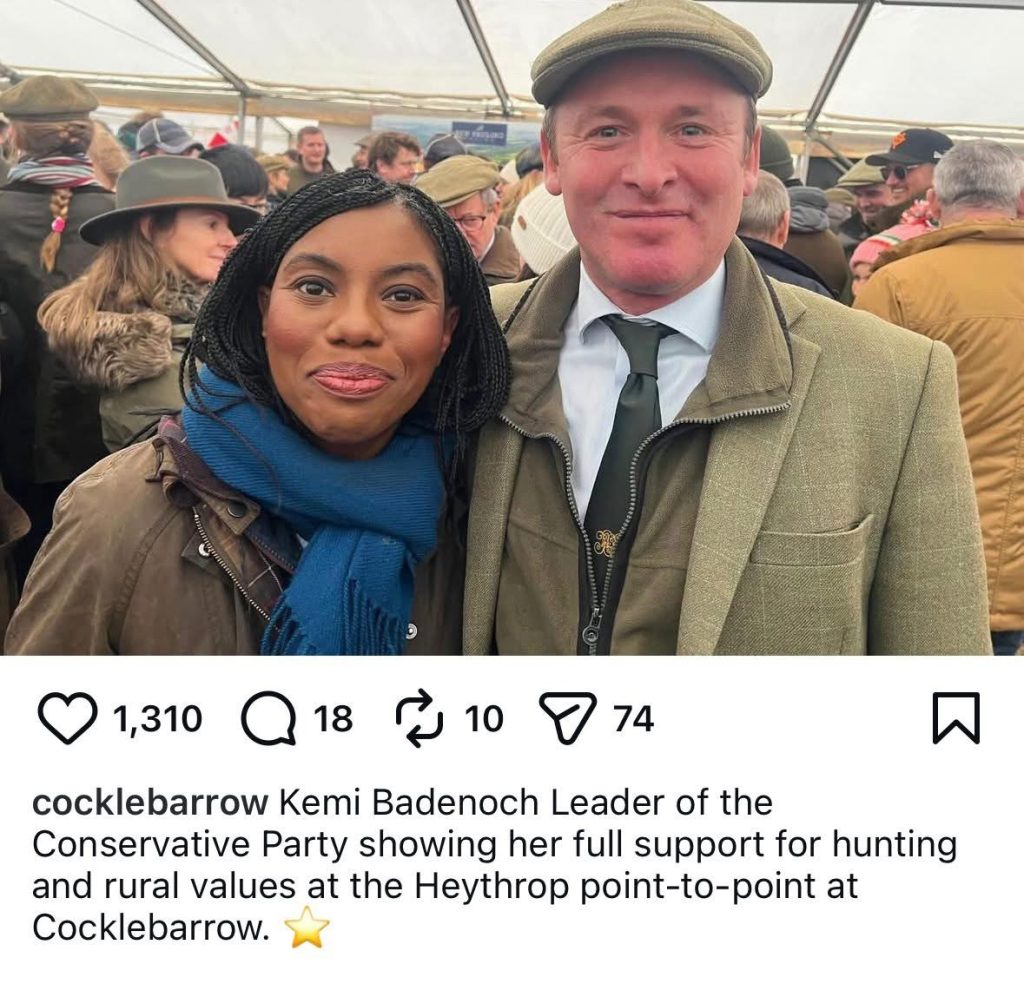
Even if Labour abandoned plans for a ban altogether, there is no way that significant numbers of hunting supporters would reward the party with their votes. Such a concession would achieve nothing politically; and at worst, it would alienate the far larger majority of voters who support a ban.
So why would Astor seek to imagine he could persuade ministers on the basis of such a flawed premise?
The answer may lie in his long-standing involvement in pro-hunting political campaigning. Astor is not only the current chair of the British Hound Sports Association but also a former director of the pro-hunting lobbying group Vote-OK. The organisation was established shortly after the Hunting Act became law in 2004 with the explicit aim of influencing parliamentary elections by targeting constituencies represented by MPs who had supported the ban and backing pro-hunt candidates. Its objective was simple: to increase the number of MPs willing to support repealing the Hunting Act.
It helps to understand that Astor is the step-father of Samantha Cameron, wife of former Conservative Prime Minister David Cameron. Vote-OK claimed to have helped 29 pro-hunt candidates retain or win parliamentary seats in 2005.
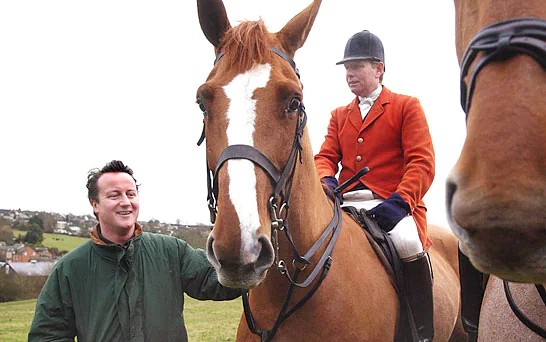
Following the Conservatives’ victory at the 2010 general election, David Cameron had pledged to allow a free vote on repealing the Hunting Act, and after thanking fox hunters for their votes, he had to disappoint them, as the Conservatives’ coalition with the Liberal Democrats meant that commitment was never put into effect.
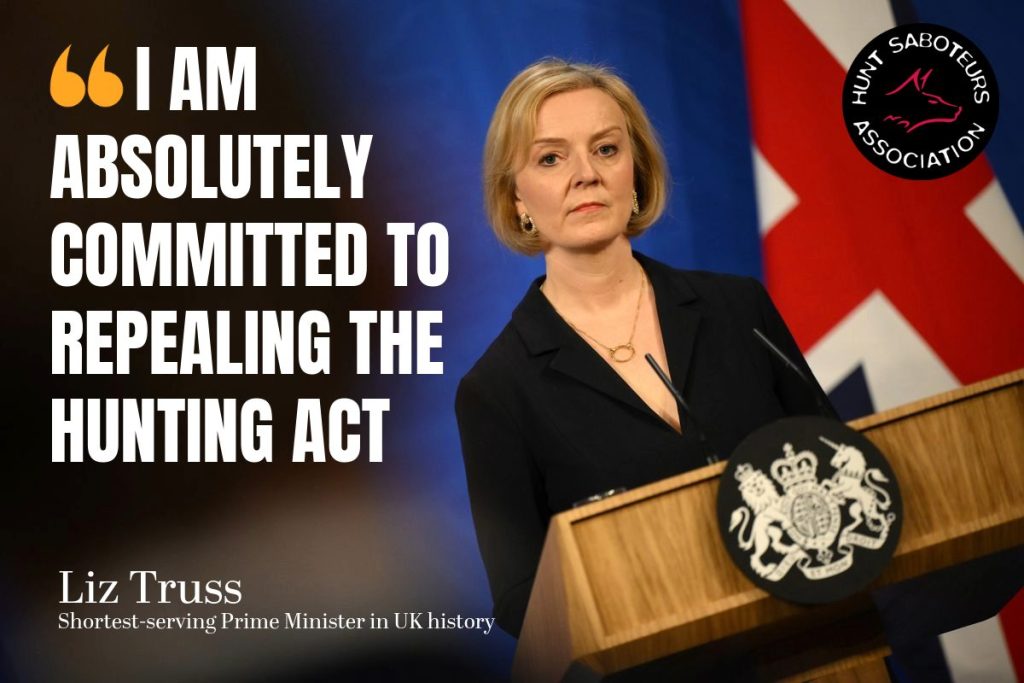
In 2015, lettuce point out that Liz Truss when she was Environment Secretary, stated with gleeful clarity she would vote to repeal the Hunting Act. Theresa May as leader also committed to hold a free vote in 2017 if the Tories won the election, her pledge was quickly dropped in 2018, in her own words there was “a clear message” from the public against it.
It would not be the first time that underhand and duplicitous tactics have been employed by the pro-hunting lobby. In 2015, The Independent revealed that Conservative candidates had been targeted by nepo-baby Otis Ferry, son of Roxy Music singer Brian Ferry, and Vote-OK campaigner. Ferry offered teams of canvassers to help secure their election. However, the organisation advised candidates that “the less said publicly the better.” In other words, they were encouraged not to let their constituents know that, if elected, they would support repealing the Hunting Act.
We could say they encouraged MP’s to hoodwink their constituents. As well as the obvious deception, it also makes a further mockery of their assumption that rural communities support hunting – if that was the case then there would be no need for deception at all.
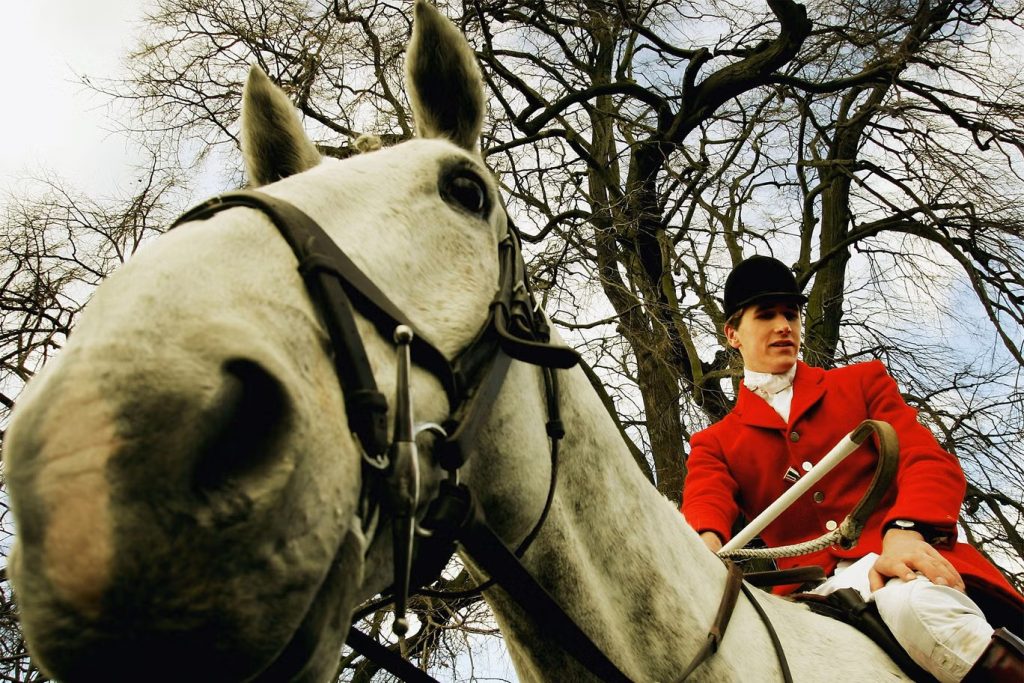
Let us not forget the broader objective that has always underpinned organisations such as Vote-OK. Their purpose has never been to preserve so-called “trail hunting” as a legitimate pastime. Trail hunting has always only ever been a temporary expedient; a means of keeping hunting’s infrastructure intact while campaigning for the ultimate prize: the return of legal hunting wildlife with hounds.
That has been the pro-hunt movement’s long-term political ambition ever since the Hunting Act came into force. The creation of Vote-OK, its efforts to elect pro-hunt MPs, and the promises from sections of the Conservative Party to repeal the Hunting Act all lead to the same conclusion.Trail hunting is a holding position – in smokescreen only – while hunters seek to legalise traditional fox hunting.
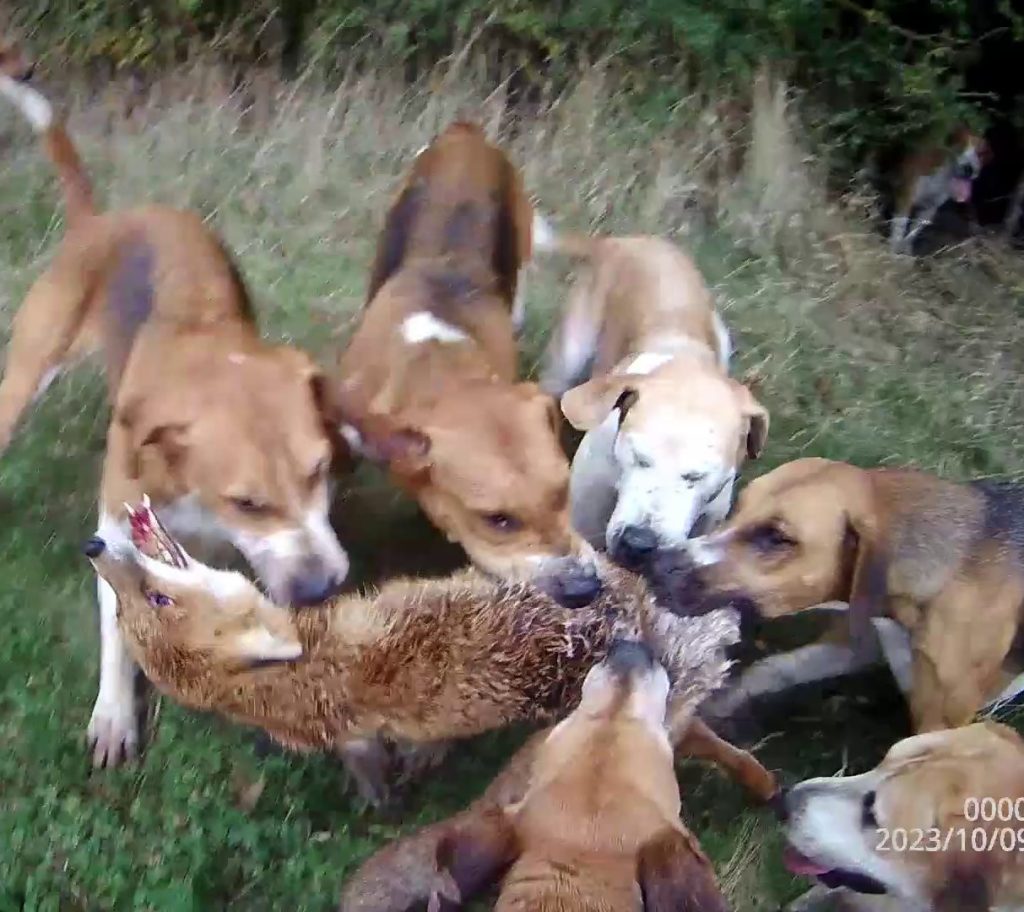
Ironically, it is this refusal to embrace genuine reform that now will ultimately prove to be hunting’s undoing. Had hunts transitioned to following artificial, non-animal-based scents in the first place – in the early years after the Hunting Act, they could have demonstrated beyond doubt that they had left the pursuit of live quarry behind. The whole purpose of retaining animal-based scents was only ever a ruse, so-said it was designed to ‘keep the hounds noses’ in, until such a return to the real thing – of course the truth is they never abandoned the real thing.
A Hunt Saboteurs Association spokesperson said:
“It comes as no surprise that hunt leaders are attempting to convince ministers that they will suddenly make that transition voluntarily, temporarily, while waiting for their long-held hopes of a future Reform government, one that would not only win an election but do so with a mandate to repeal the Hunting Act, to become reality.
The stale old leadership of organised hunting, dominated by an ageing establishment determined to preserve the traditions of fox hunting rather than move beyond them, has seen them done for.
Now, as trail hunting faces legislative extinction, the responsibility lies not with those of us who have been calling for a real ban, but with those who spent two decades refusing to make the transition that could have secured its future. It’s all their own fault.”