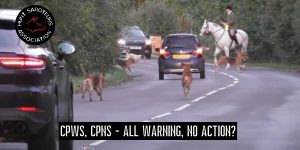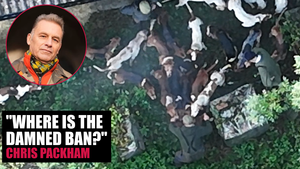



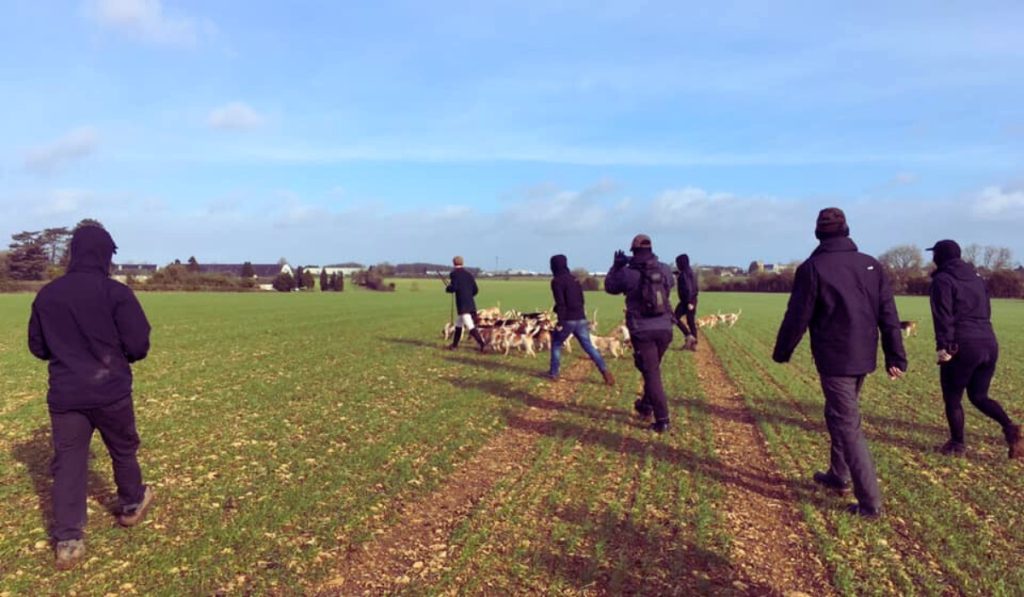
The Hunt Saboteurs Association has produced a booklet titled ‘Witness The End Of Hunting’ which outlines our plans to stop hunters in their tracks or – at least – get them into court with a high chance of prosecution.
In this second article, the HSA takes a deep dive into the Burden of Proof.
A change in the requirement of the Burden of Proof is needed to encourage correct behaviour in organisations. The Health and Safety at Work Act 1974 creates general duties for employers to ‘ensure, so far as is reasonably practical, the health, safety and welfare’ of employees (section 2) and members of the public (section 3) and creates an offence should any person ‘fail to discharge’ such a duty (section 33).
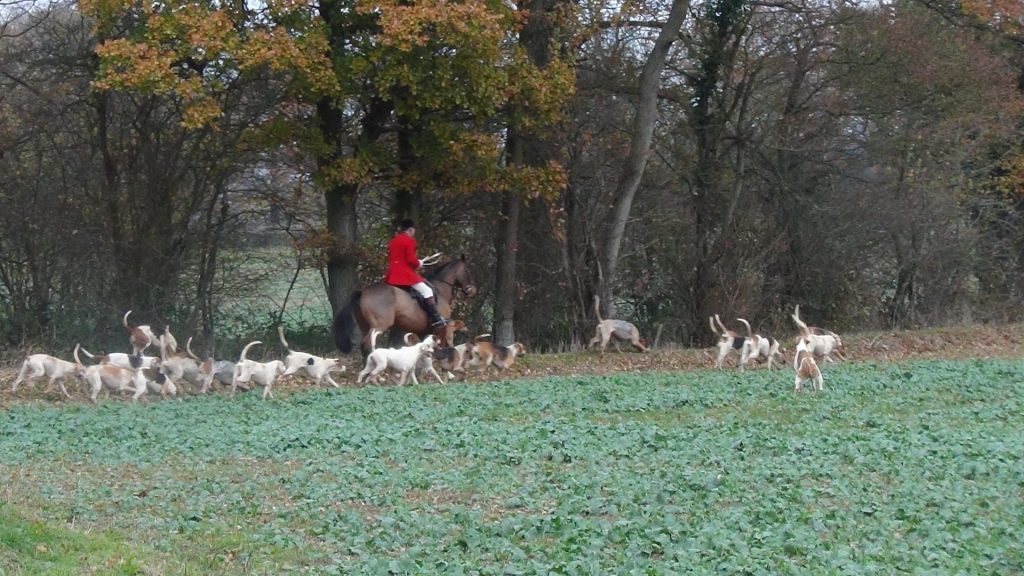
In practice, this means that any time a work activity injures a person, the duty has been breached. The burden then falls on the employer to prove that it was ‘not reasonably practicable to do more than was done’ to discharge that duty (section 40).
The rationale underlying what might be seen, in effect, as a reversal of the Burden of Proof is that when a person chooses to conduct a potentially harmful activity for profit or pleasure, they ought first to take reasonable steps to ensure that that activity harms no person or animal. A revision to the Act should use this as a framework: requiring hunts and their staff to ensure – so far as is reasonably practical – that dogs hunt no mammal and placing the burden on them to prove that they have done everything reasonably practicable to discharge that burden.
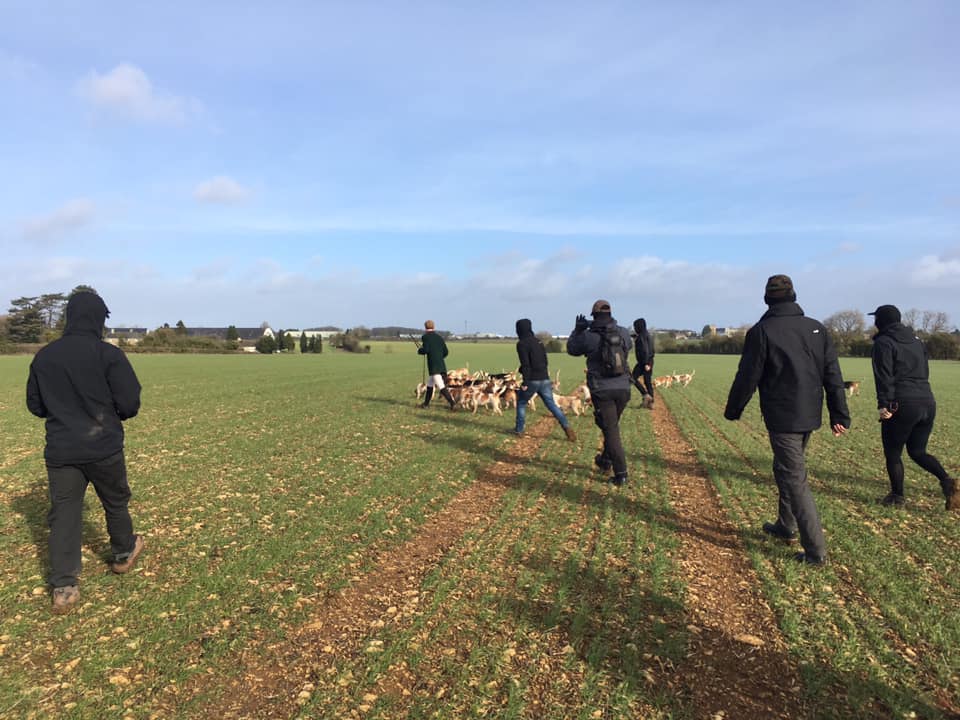
The focus is ensuring that those in charge of hounds take all possible steps to prevent harm to a wild mammal. The reversal of the burden would fall on the huntsman and the hunt as an organisation to prove that they have done everything reasonably practicable to prevent harm; this is where we see the distinction made with the Health and Safety at Work Act 1974 (HSWA).
The Health and Safety Act alongside a recklessness clause could follow a similar burden of the proof principle. For instance, if an animal is harmed during a hunt, the onus would be placed on the huntsman (as the person in charge of the dogs) to demonstrate that they took all reasonably practicable steps to prevent harm, just as the HSWA places the burden on employers to show they did everything reasonably possible to avoid injury in the Workplace.
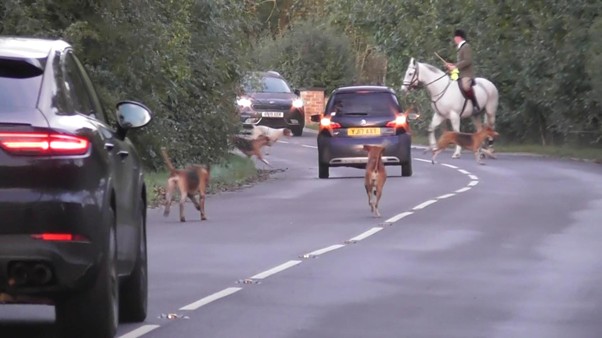
A huntsman would be expected to demonstrate that they’ve taken all reasonable steps, such as controlling the hounds in a manner that aligns with the standards set: for example, avoiding areas populated by wild mammals, such as their known habitats.
The amended legislation could specify that the huntsman (like an employer) must ensure that the hounds do not cause harm to any wild mammal during the hunt. The burden would be on the huntsman to prove they’ve taken all reasonably practicable steps to discharge this duty.
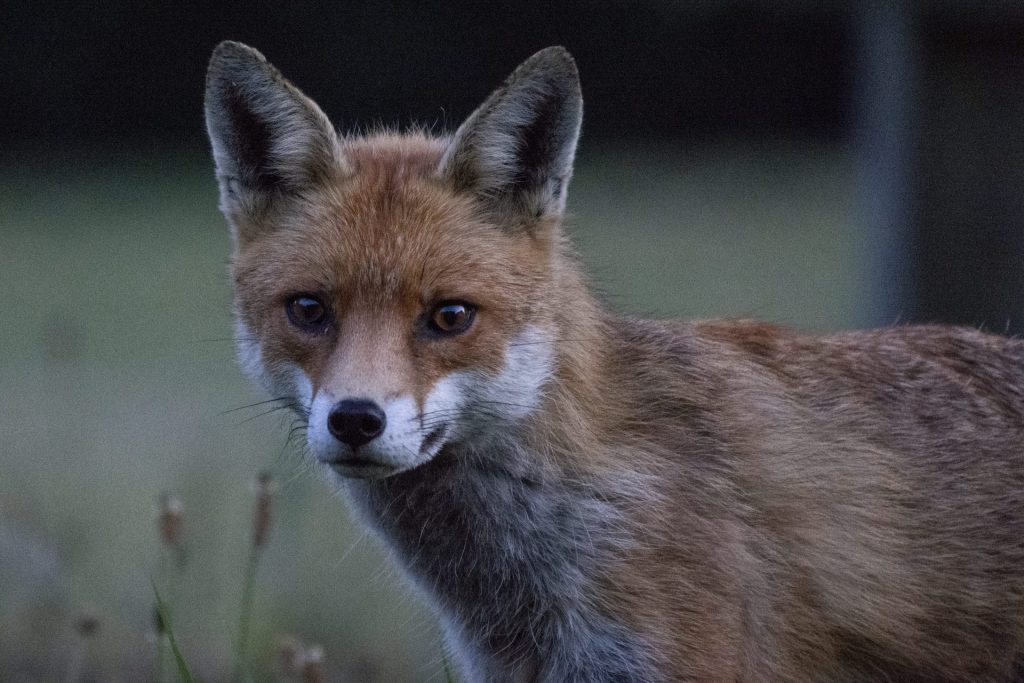
At present it is very clear that most hunts take no steps to avoid harming wildlife. Changing the burden of proof, alongside a recklessness clause, would ensure that hunts had to take any changes to the act seriously or face prosecution.
Download our Witness The End Of Hunting booklet here