


What is cubbing?
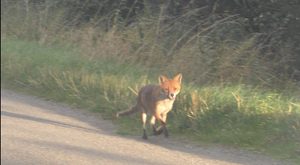
Cub hunting or ‘cubbing’ is the highly secretive and illegal process by which new hounds are trained to hunt and kill foxes. Cubbing is visibly different from typical fox hunting as the hunt will appear to be more static, with much less riding across open country.
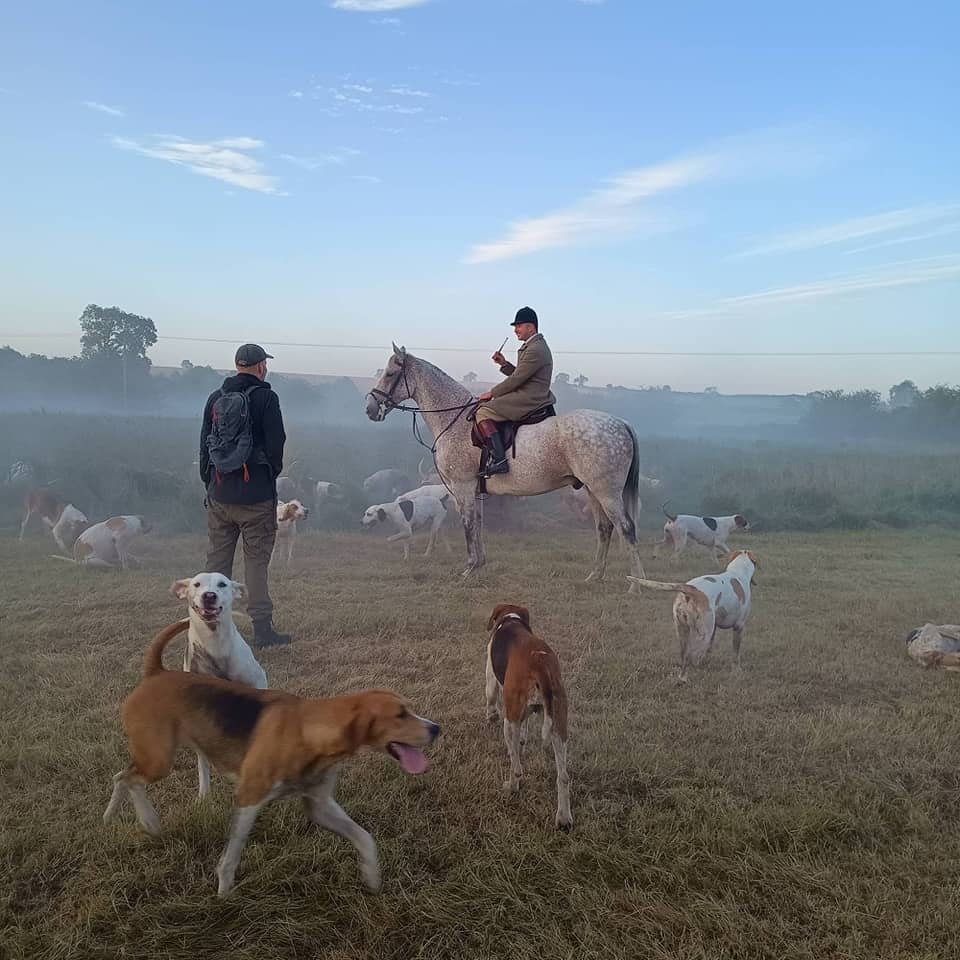
As soon as crops have been harvested, new and more experienced hounds are taken out at daybreak – when the scent is best – and put into woods or areas of crop known to contain families of foxes.
To help the new hounds make a kill, hunt followers surround the wood and make noises – such as slapping their saddles – to scare escaping cubs back into the wood. This is known as ‘holding up’ the wood.
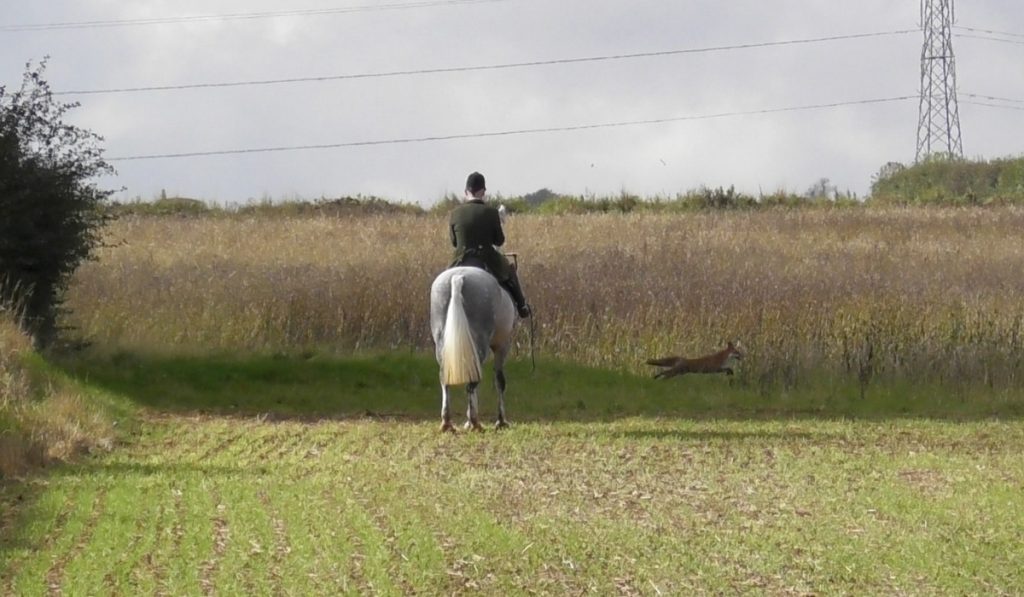
As autumn and the new hunting season approaches, there is less ‘holding up’ and some cubs are hunted into the open fields. By October, cubbing has become indistinguishable from full season fox hunting.
When does it happen?
Some hunts start their cubbing programme as early as the end of July with most starting in August or early September. Hunts can also hunt in the early evening, once the air has begun to cool.
Who does it?
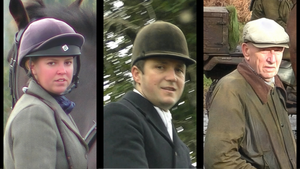
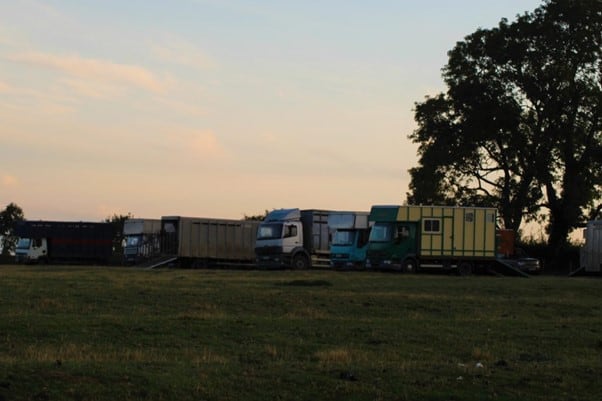
Only the most trusted supporters are invited to attend cubbing meets to keep it as low-key and secretive as possible. There is, of course, no legitimate reason for them to be out at the crack of dawn, surrounding areas of woodland or crop. The riders will be dressed in their ‘ratcatcher’ tweeds rather than red coats and terrier men will be present, tooled up with quadbikes, terriers, digging equipment and so on.
Where does it take place?
Hunts will be fully aware of where they might come across fox cubs. The hunt’s terriermen, local gamekeepers or farmers will keep the hunt updated on where fox earths are. The cubs may also be in an artificial earth, built by the hunts to ensure a supply of foxes to hunt.
How to sab cubbing
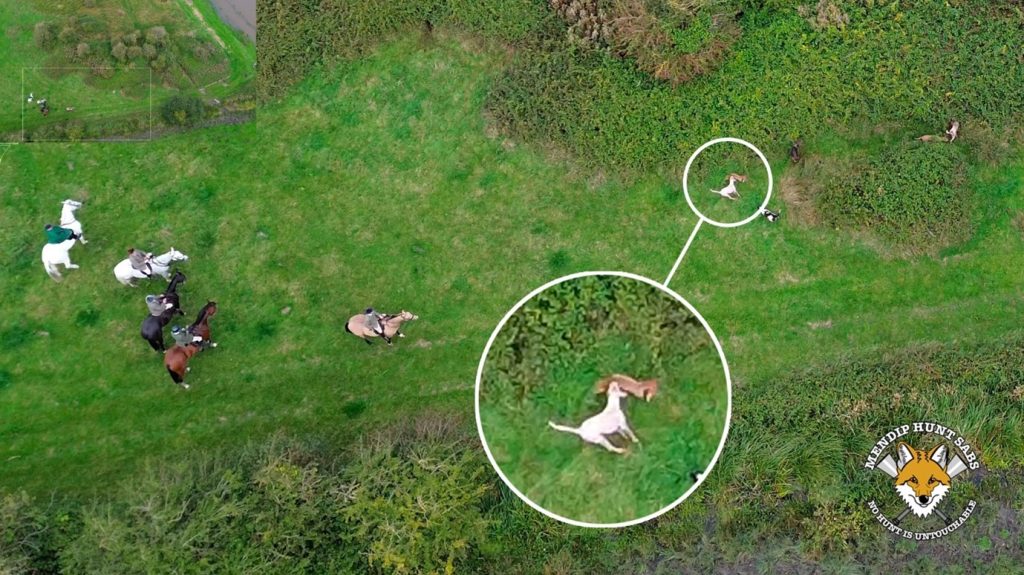
Around 10,000 fox cubs are killed during the cubbing season. However, successful disruption of the cubbing season saves a lot of lives and can lead to the hounds not being fully trained, resulting in a poor season for the hunt.
The HSA Tactics Officer explains,
“More foxes are killed during cubbing than any other part of this season and for this reason sabbing them becomes all the more important. The fact that there is no excuse or smokescreen for this grotesque activity means the hunts are likely to be far more concerned about sab presence. Simply finding them can be a major effort however, once found, they will often move on and give up on that location. As cubbing takes far longer to set up and it is less fluid than a normal hunt, simply keeping them moving will mean a successful morning for the sabs
However, if they don’t move it’s important to try and break up the riders surrounding the covert which will create a hole in the wall of noise and allow any cubs to escape. Putting a camera in the face of the riders and challenging them on their activities usually has the right effect. You can also call the hounds out of the covert with voice and horn calls but remember to only do this if the hounds can be seen and you’re not drawing them through uncovered areas and the danger of putting up a fox they haven’t scented or seen yet.”
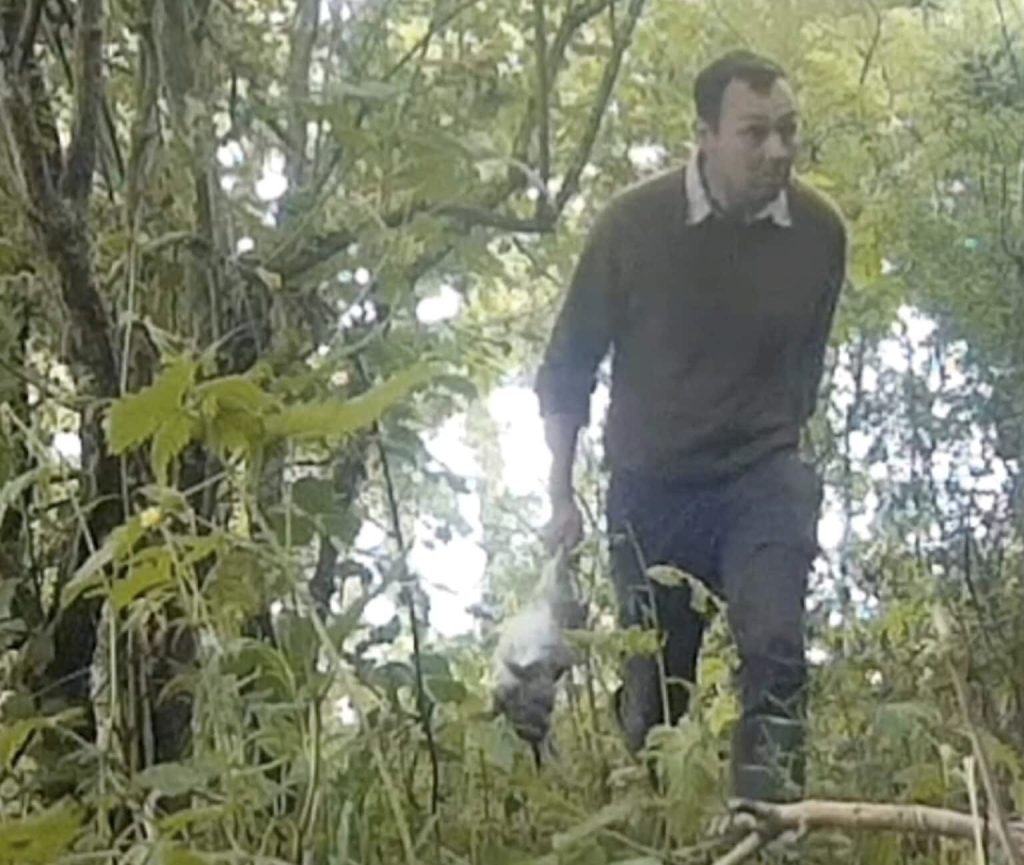
What to do if you come across or hear of a suspected cub hunt
Contact your local sab group or call the HSA Hotline number immediately on 07443 148
426 with an accurate location and description of what you’ve seen. You could also contact your local police wildlife or Rural Crime Team – at the very least it’s worth reporting.
Cubbing is a cruel practice hidden in the shadows, but awareness is growing. By staying informed, sharing our news and joining the HSA to support our campaign against the horror of cub hunting.