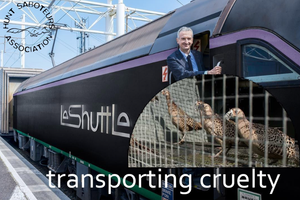



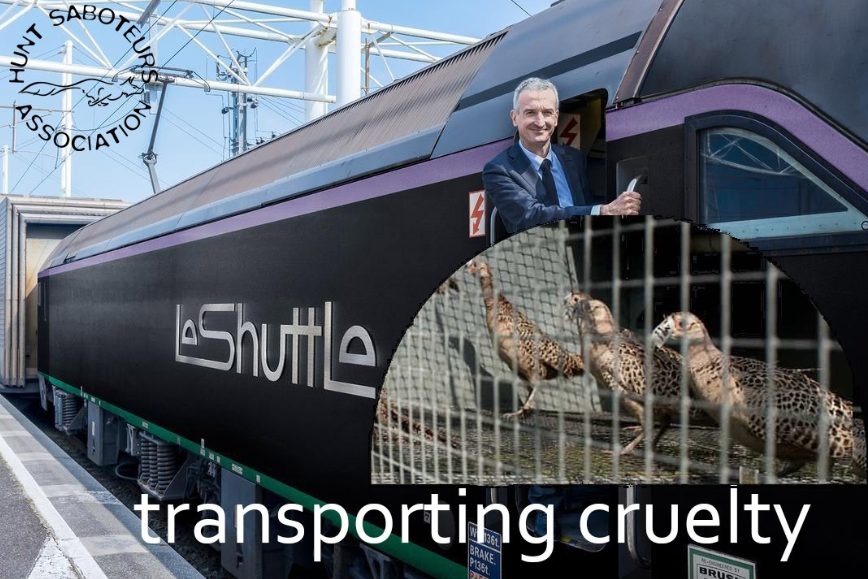
The Hunt Saboteurs Association (HSA) has just launched a campaign to ask Le Shuttle to stop facilitating the transportation of game birds from Europe to the UK.
Le Shuttle is a significant route for bringing live pheasants and red-legged partridges into Britain from European hatcheries. Around 10 million birds are imported annually, representing roughly a quarter of the birds bred for shooting.
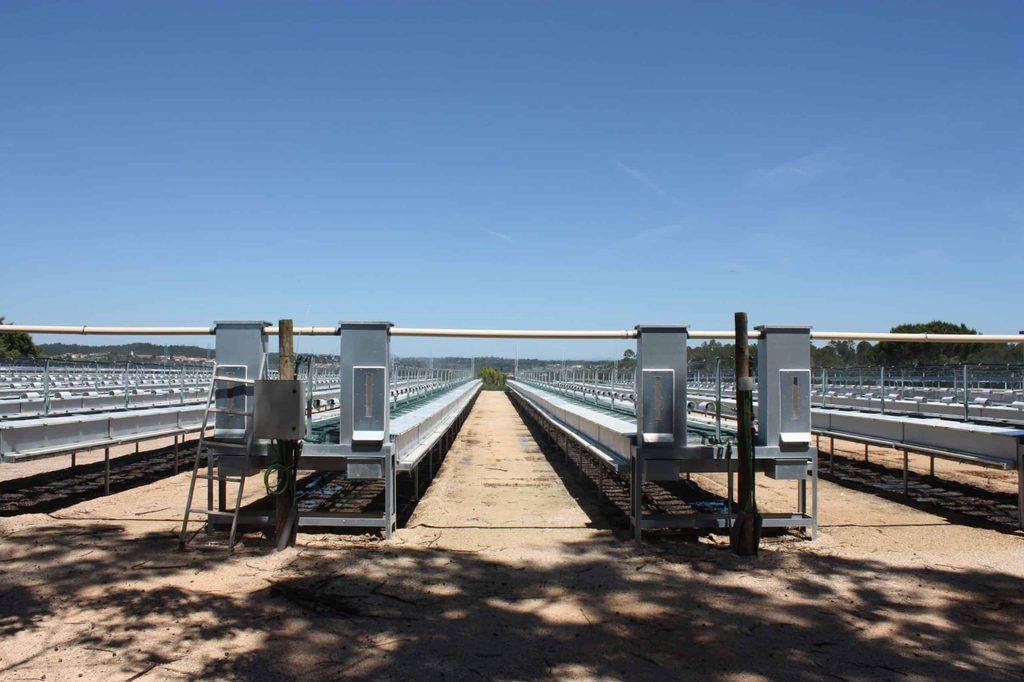
These birds will ultimately be destined for one of the shoots and game farms across the country. The vast majority of birds shot for sport in Britain are pheasants. Originally native to Asia, pheasants have been introduced to numerous countries, and are now bred on an industrial scale to supply the shooting industry.
Since 2016 estimates show that around 47 million pheasants are released in the UK annually ahead of the shooting season, alongside a further 10 million red-legged partridge. Added to birds remaining from previous releases which are estimated in the region of 3-5 million, the total population is estimated at about 50 million pheasants in the wild at the time of release.
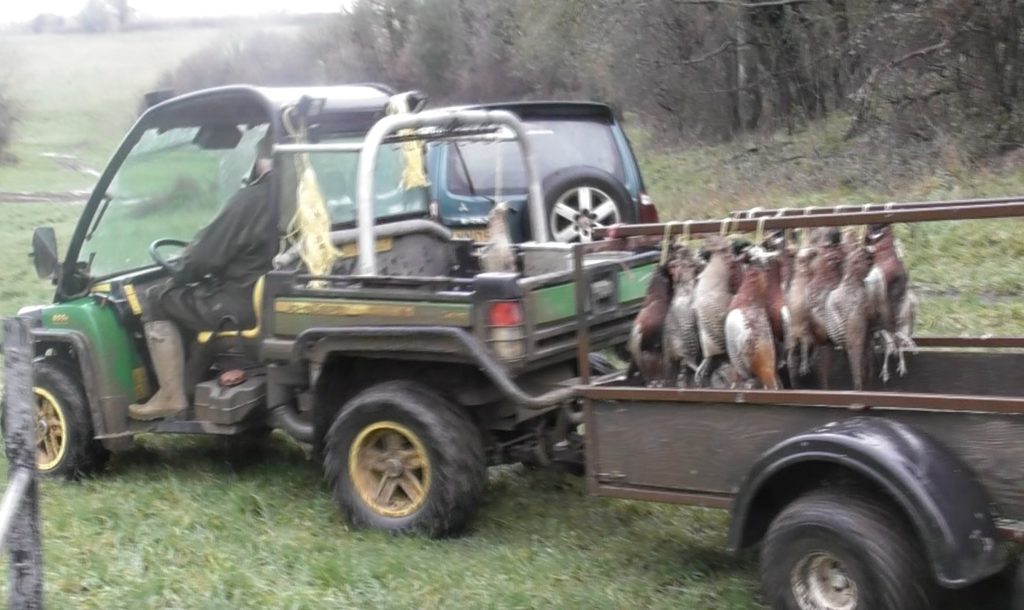
Those numbers will decline through the seasons. Birds will die from predation, disease, environmental factors, collisions with vehicles and ultimately, shooting. Approximately a quarter of released birds will die before the shooting season even begins on the 1st October.
The ecological and environmental consequences of releasing millions of non-native, intensively reared birds are considerable. Large concentrations alter the availability of food for other species, and affect local wildlife, such as reptile species which may themselves become prey for the birds.
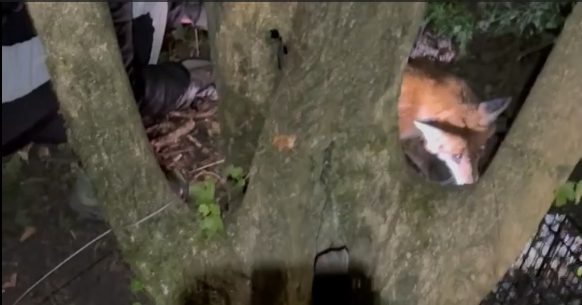
The other way in which local wildlife is affected is through predator control. Predator numbers respond to the sudden abundance of food sources created by the annual releases. It is estimated that foxes account for a significant proportion of the birds that fail to survive until the start of the season. Predators that have benefited from the abundance of prey remain long after the birds have gone, they must then find alternative sources of food.
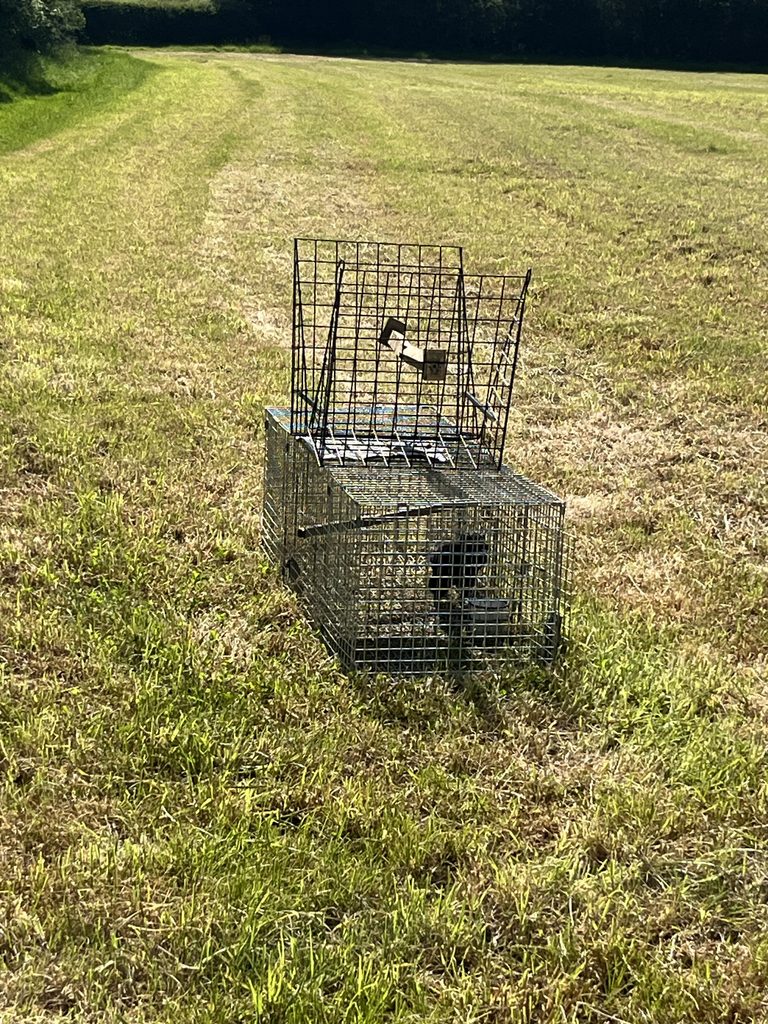
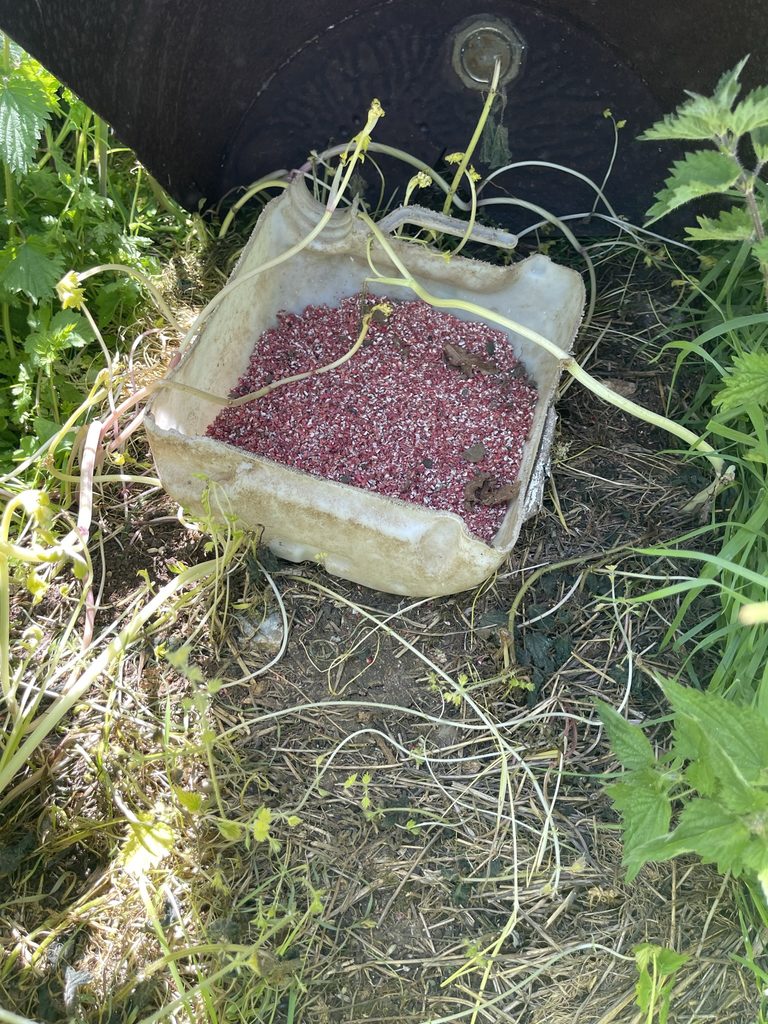
Foxes and other perceived predators are subsequently targeted by gamekeepers, farmers, and hunts. Animals including foxes, birds of prey and corvids may be poisoned, trapped, snared, shot, while foxes are also pursued by hunts, all to deal with a ‘problem’ of their own making.
The consequences of widespread use of anti-coagulant poisons go far beyond the species being targeted, lead to secondary poisoning in scavenger species who include carrion in their diets such as red kites, buzzards, corvids, even invertebrate scavengers such as beetles, blowflies and ants.
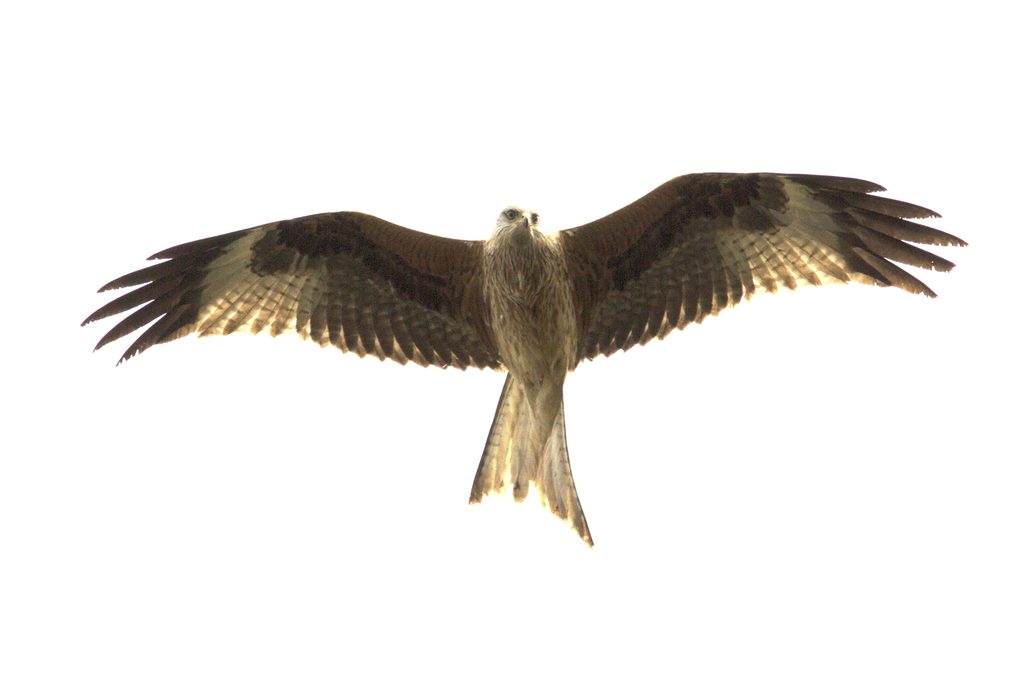
There is an obvious contradiction here. As the artificially inflated numbers of available prey decline through the shooting season, the predatory species that benefitted from the abundance remain, and are further regarded as problems that need to be controlled, creating a completely artificial landscape where wildlife does not stand a chance.
Game shoots are not about food, this is not subsistence hunting – it is entertainment.
Historically shooting is closely associated with aristocratic and royal privilege. The transformation of the British countryside during the 18th and 19th centuries, including the enclosure and consolidation of common land, saw land ownership become more concentrated and helped to create the shooting-estate culture we see today.
Shooting is extremely expensive. Driven shoot days can cost hundreds or more likely – thousands of pounds depending upon the shoot and the number of birds involved, yet the end product has very little value. Some are sold to game dealers for about 30 pence per bird, with the vast majority ending up in stink pits, or end up on bonfires, because the fact is that there is little appetite to eat the lead riddled birds.
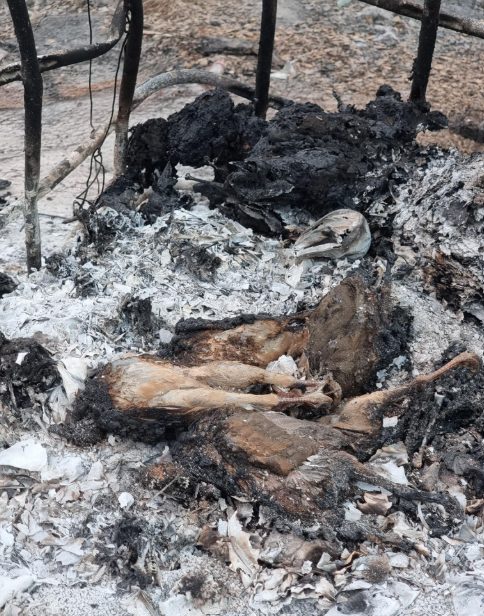
The reality is that this is an archaic and cruel pastime enjoyed by a minority, whose enjoyment is prioritised over the welfare of animals and the health of the natural environment.
The transportation of these birds from Europe via Le Shuttle is one part of the infrastructure that enables this industry to operate. Moving millions of live gamebirds, the detrimental mass releases, and subsequent shooting of these animals on this scale couldn’t happen without Le Shuttle’s facilitation.
We are therefore asking our supporters to get behind the campaign and ask Le Shuttle to stop facilitating bloodsports and take action now.